Moving to Florida? Hard Truths You Should Know
Moving to Florida is a dream for many: warm beaches, no state income tax, and year-round outdoor living. After more than three decades in the state I still love many parts of life here, but there are real downsides that often get glossed over. If you are seriously considering moving to Florida, understanding these eight practical realities will help you decide whether the tradeoffs make sense for your lifestyle and budget.
Table of Contents
- Introduction
- Overcrowding and High Population in Florida
- Hurricanes, Tropical Storms, and Heavy Rain
- The High Cost of Homeowners Insurance in Florida
- Alligators, Wildlife, and Bugs in Florida
- Why Florida Tap Water Often Tastes Bad
- Florida’s Year-Round Heat and Humidity
- Florida HOAs and Condo Associations Explained
- Health Care Challenges When Moving to Florida
- Wrap-Up: Is Moving to Florida Really Worth It?
- FAQs
Introduction
Moving to Florida often promises sunshine, beaches, and a laid-back lifestyle. Those perks are real, but so are frustrations that build up slowly: traffic that eats your time, tropical weather interruptions, wildlife that shows up in your backyard, and recurring costs that many newcomers underestimate. Below I break down eight down-to-earth reasons not to rush into a move without planning, and I include practical tips for coping with each one.
VIEW HOMES FOR SALE IN FLORIDA
Overcrowding and High Population in Florida
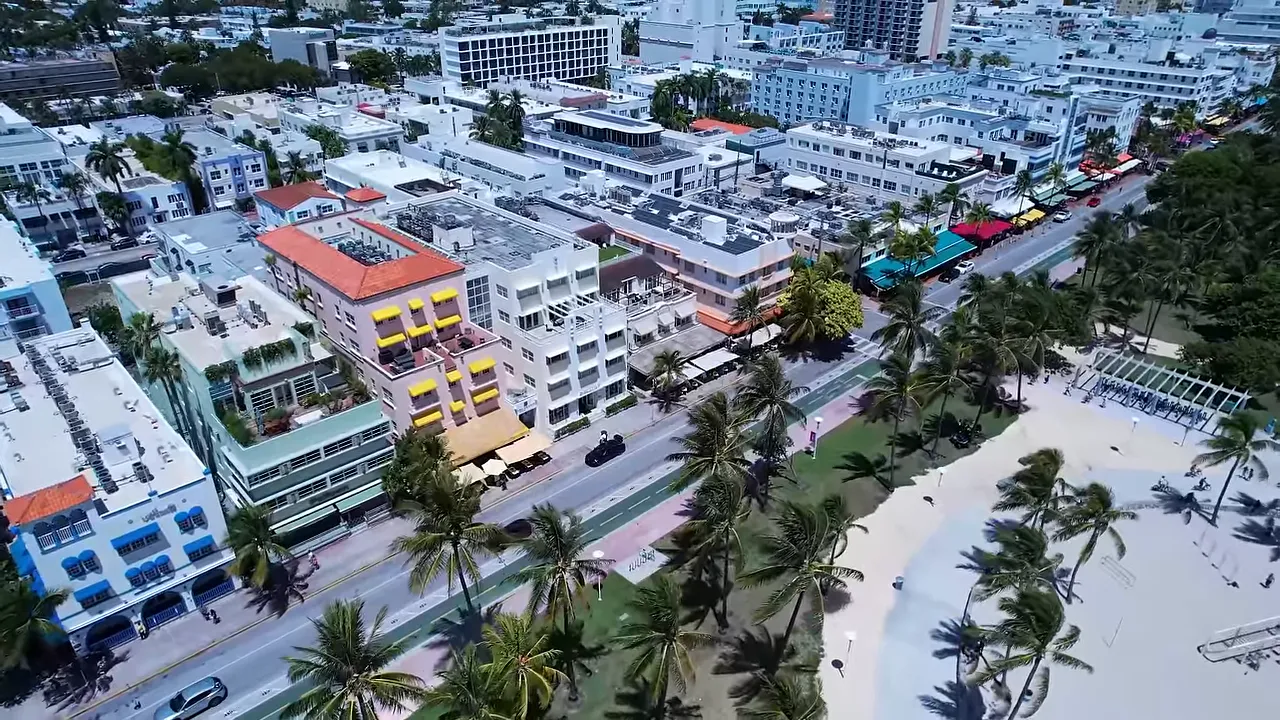
Florida is the third most populated state in the U.S., and much of that growth is concentrated in coastal metro areas. That density creates consequences that affect daily life.
- Traffic: Congested interstates and arterial roads are common. I-95 and certain stretches like the 595 corridor near Fort Lauderdale have higher fatal crash rates and heavy commuter congestion. Allow extra commute time and plan routes in advance.
- Poor public transit: Public transportation options are limited in many areas, so owning a car is the default. That increases parking stress and auto-related expenses.
- Crowds everywhere: Long lines at grocery stores, busy restaurants, crowded festivals and theme parks, and the constant search for parking in popular spots.
Practical tip: If you value quieter neighborhoods, look inland or to smaller towns instead of high-demand coastal cities. When budgeting, include extra time and money for commuting and parking.
Hurricanes, Tropical Storms, and Heavy Rain
Florida rarely sees snow, but the tropical season brings heavy rain and the risk of hurricanes. The official hurricane season runs from June 1 to November 30, and even outside of direct hits, tropical storms cause power outages, flooding, and supply shortages.
- Preparation timeline: Forecasts give days of warning, but store shelves for water, batteries, and gas can empty quickly in the run-up to a storm.
- Evacuation choices: Many residents only evacuate for category 3 storms or higher. Make an evacuation plan and know local shelter routes.
- Other hazards: Flash flooding, severe thunderstorms, isolated tornadoes, lightning strikes, and sinkholes in parts of Central and Northwest Florida.
Practical tip: Have a 72-hour emergency kit, a generator plan, and flood insurance if you are in a flood-prone zone. If you are moving to Florida with limited storm experience, run through evacuation logistics before a storm season begins.
The High Cost of Homeowners Insurance in Florida
Because of storm exposure, fraud issues, and rising claims, homeowners insurance in Florida is often much higher than the national average. Some private companies have exited the market, pushing many homeowners toward state-backed options.
- Average premiums: Recent data shows Floridians paying well above the national average for homeowner policies. If you plan on financing a home, you will need a policy to close and possibly a separate flood insurance policy in a flood zone.
- Limited carrier choices: With some insurers pulling out, many buyers end up using state insurers meant to be a last resort.
- Roof and claim fraud: Fraudulent claims and aggressive roof replacement schemes can drive up rates for everyone. Read contracts carefully and vet contractors.
Practical tip: Factor higher insurance premiums into your affordability calculations. Shop multiple carriers, ask local agents about regional risks, and consider improvements that reduce risk, such as impact-rated windows and reinforced roofs.
Alligators, Wildlife, and Bugs in Florida
Biodiversity is a double-edged sword. Florida’s climate supports a wide variety of wildlife, which is fantastic for nature lovers but sometimes inconvenient or dangerous for people and pets.
- Alligators: Expect gators in lakes, canals, and sometimes near suburban water features. They are generally not aggressive if left alone, but feeds and close encounters increase risk. Stay at least 50 feet away and never feed wildlife.
- Exotic invasives: Pythons, iguanas, and other invasive species cause ecological problems and homeowner headaches. Iguanas can dig, chew plants, and fall from trees when cold snaps occur.
- Insects and mosquitoes: Mosquitoes proliferate near standing water and thrive in the heat and humidity. They are nuisance pests and vectors for diseases in some seasons. Palmetto bugs, large roach species, are also common in warm climates.
- Other dangerous animals: Occasional encounters with venomous snakes, spiders, feral hogs, and marine creatures like sharks in certain waters are possible.
Practical tip: Screen porches and pools, keep pets leashed near water, and learn local wildlife safety rules. Use repellents and landscaping techniques to reduce mosquito breeding on your property.
Why Florida Tap Water Often Tastes Bad
Despite being surrounded by water, much of Florida has hard groundwater that tastes different from what newcomers may be used to. Minerals like calcium and magnesium, plus occasional sulfur or metallic tastes, make tap water less appealing for some.
- Hard water effects: Mineral deposits on fixtures and dishes, dry-feeling hair and skin, and a taste that some describe as metallic or slightly sulfuric.
- Contaminants: Chlorine, metals, and organic compounds can contribute to flavor and odor issues. Municipal systems vary widely by region.
Practical tip: Install a whole-house filter or a point-of-use filter for drinking water. Many residents keep bottled water for drinking and use filters for cooking and appliances to reduce buildup and taste complaints.
Florida’s Year-Round Heat and Humidity
Florida is warm most of the year, and humidity amplifies how hot it feels. South Florida has long, hot summers and mild winters, while central and north areas see a bit more seasonality but still spend much of the year warm.
- High heat risks: Heat stroke is a real danger during hot months. Hydration and shade are essential. Outdoor events in summer can be brutal.
- Style and grooming impacts: Humidity affects hair, fabrics, and footwear choices. Many residents adapt wardrobes to stay comfortable rather than stylish layering common in northern climates.
- Air conditioning dependence: A reliable A/C system is crucial. Power outages during storms make backup options more attractive.
Practical tip: When moving to Florida, prioritize housing with efficient A/C, well-insulated attics, and shaded yards. If you love outdoor winter wear, realize those items will get limited use.
Florida HOAs and Condo Associations Explained
HOAs and condo associations are widespread in Florida. They provide community amenities and maintain common areas, but their rules can be strict and enforcement can be heavy-handed.
- Common benefits: Community pools, landscaping, security, and shared maintenance that reduce day-to-day chores.
- Common frustrations: Rules about paint colors, landscaping, parking, holiday decorations, pet limits, and fines for noncompliance. Poorly managed HOAs can create additional headaches.
- Prevalence: Nearly half of residents live in HOA-governed communities, so it is common to encounter them when house hunting.
Practical tip: Read HOA covenants thoroughly before purchasing. Attend meetings if possible, ask for recent financials, and understand the process for making changes to your property.
Health Care Challenges When Moving to Florida
While Florida is home to excellent medical centers in some metro areas, statewide rankings show challenges in accessibility, affordability, and overall health outcomes compared to many other states.
- Affordability concerns: Out-of-pocket costs and insurance premiums can be high. Some studies note higher employer contributions for family coverage in Florida than the national average.
- Access issues: Physician shortages and waits to see specialists are common in growing regions. Pandemic-era staffing changes exacerbated these gaps in many markets.
- Job opportunity: For healthcare professionals, demand is strong and moving to Florida can present career options in hospitals, clinics, and senior care.
Practical tip: Research local hospitals, primary care availability, and specialist wait times when narrowing your move destination. If you or family members require regular care, proximity to quality providers should be a top priority.
Wrap-Up: Is Moving to Florida Really Worth It?
Moving to Florida is a big lifestyle shift. Many people find the benefits outweigh the negatives, but understanding the realities helps you prepare and avoid surprises. From traffic and tropical storms to wildlife and higher insurance costs, these eight areas represent the practical downsides that often catch newcomers off guard.
If moving to Florida is on your horizon, treat this list as a checklist: visit neighborhoods across seasons, get local quotes for insurance and utilities, confirm healthcare providers, and factor in the costs and practical adjustments needed for heat, humidity, and local wildlife. If you need help buying a home, contact me — call or text 561-962-2865.
VIEW HOMES FOR SALE IN FLORIDA
FAQs
What time of year is best to move to Florida to avoid hurricane season?
Move outside of hurricane season when possible. The safest months are typically December through May. If moving during hurricane season, have a contingency plan and be prepared for possible weather delays.
How much more should I budget for homeowners insurance when moving to Florida?
Expect premiums that are significantly above the national average in many areas. Get multiple insurance quotes early and include potential flood insurance for properties in flood zones. Factor insurance into total monthly housing costs before making an offer.
Are alligators a real threat in suburban neighborhoods?
Alligators are common near canals, lakes, and wetlands. They usually avoid humans but can become dangerous if fed or cornered. Avoid swimming in unmarked freshwater bodies, keep pets away from water edges, and follow local wildlife guidance.
Will I need a water filtration system if I move to Florida?
Many residents install point-of-use filters or whole-house systems to improve taste and reduce mineral buildup from hard water. A simple pitcher filter helps for drinking water, while whole-home options address appliances and skin effects.
How much does the heat and humidity affect daily life?
Heat and humidity shape clothing, outdoor activities, and home systems. Air conditioning is essential, and outdoor events are often scheduled for cooler parts of the day. If you are sensitive to heat or humidity, consider locations in Central or North Florida for slightly cooler seasons.

Jonathan Alexander creates educational YouTube content to guide potential buyers through the process of relocating to South Florida, offering insights on the best places to live and what to expect. As a seasoned Realtor®, he combines his expertise with a passion for helping clients make informed real estate decisions.
New Content on youtube every week