Pros & Cons of Living in Fort Lauderdale, Florida: An Honest Look at Waterfront Life, Costs, and Who It's Really For
Fort Lauderdale is an easy city to fall in love with when you're visiting. The beach, the boats, dinner on Las Olas, 75 degrees in February. You spend a long weekend here and you might already be wondering what it would be like to live here. But living here is different. The same water that makes Fort Lauderdale incredible can create some expensive problems. The beautiful weather comes with the summer nobody puts on Instagram. And even choosing the wrong street can completely change your experience here.
I've been selling real estate in South Florida for over 20 years, and our team has helped more than 1,000 families buy and sell homes throughout the area. A huge part of what we do is helping people relocate and figure out where they actually fit. So if Fort Lauderdale is on your radar, by the end of this article, you'll have a much better idea of whether it should stay there.
In this guide, I'm giving you 5 reasons people love living in Fort Lauderdale, 5 things that can absolutely drive you crazy, and most importantly, who I think this city is actually right for. Let's start with probably the biggest reason people move here in the first place: the water.
Table of Contents
- Fort Lauderdale: The Water Becomes Part of Your Life
- The Lifestyle Gets Expensive Fast
- Insurance Can Change Which House You Buy
- Living With Water: Flooding, Seawalls, and King Tides
- Getting Around: Traffic, Drawbridges, and Snowbird Season
- The Summer Nobody Posts on Instagram
- Three Gray Areas You Need to Understand
- Is Fort Lauderdale Right for You?
- Conclusion
Fort Lauderdale: The Water Becomes Part of Your Life
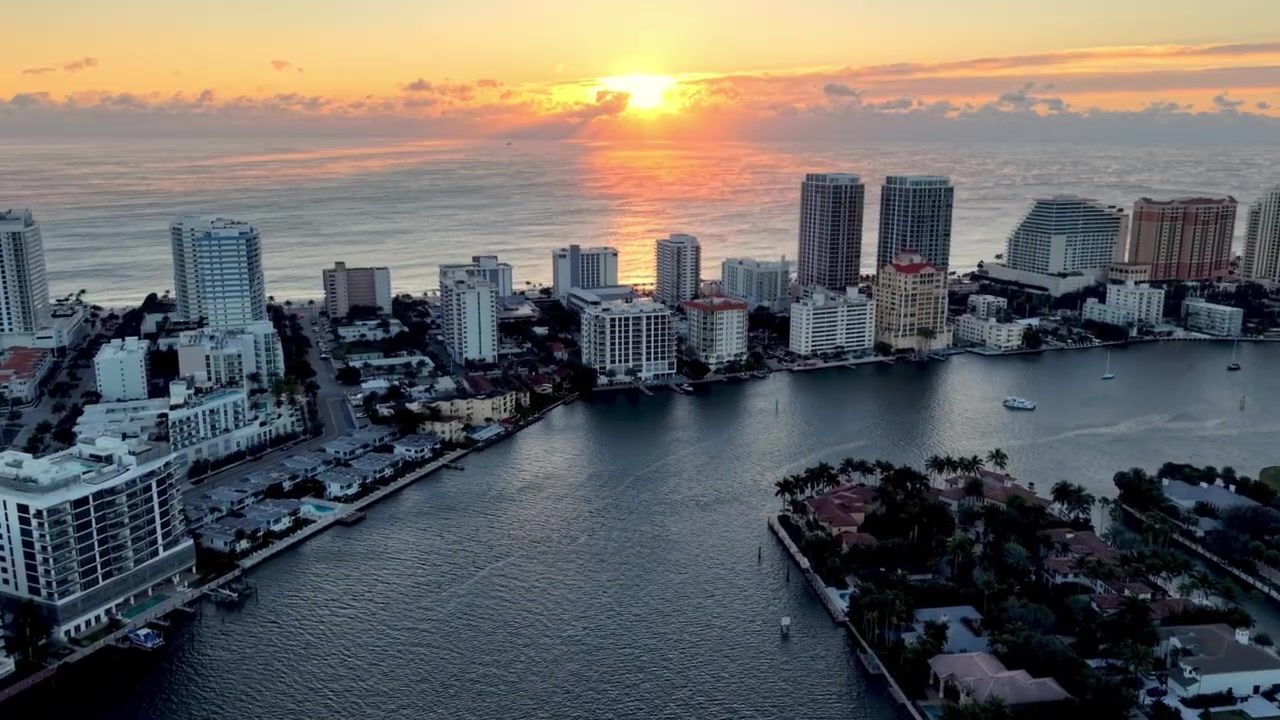
You don't live near it, you live on it. There are plenty of places in South Florida where you can live near the water, but Fort Lauderdale is one of those few places where the water can actually become part of your everyday life. If you own a boat, you might walk out your back door on a Saturday morning, untie it from your dock, and head out through Port Everglades into the Atlantic. Or maybe you don't go offshore at all. You cruise the Intracoastal, anchor at Lake Sylvia for a few hours, or pull up somewhere for lunch, and you're back home before dinner.
That's what I think people underestimate about living here. Boating doesn't always have to be this big event you plan weeks in advance. When the boat is sitting behind your house and the weather cooperates most of the year, sometimes you go out simply because you have a few hours with nothing else going on. We've worked with buyers who moved here from the Northeast, New York, New Jersey, Boston, Chicago, and told us they used their boat more in the first year living here than they had the previous several years back home.
But you don't have to own a waterfront home or even own a boat to enjoy any of this. You can rent one, charter one, join a boat club, take the water taxi, paddleboard through the canals, or just grab dinner somewhere on the water. That's the real pro. In Fort Lauderdale, the water isn't something you occasionally drive over to see. It can become part of your routine. And if being on the water is one of the main reasons you're moving to South Florida, there aren't many cities that make it easier to actually live that lifestyle.
Access to Miami Without the Daily Pace
Another big reason people choose Fort Lauderdale is that you can have access to Miami without necessarily having to live in Miami every day. And for a lot of the buyers we work with, that's exactly what they're looking for. They like Miami. They want the restaurants, the sporting events, the concerts, the nightlife. Maybe they even have business down there or friends they want to see. They just don't necessarily want that pace to be their everyday life.
Fort Lauderdale gives you a legitimate city of its own. You've got great restaurants, nightlife, the beach, boating, an international airport right here, and plenty going on without feeling like you're living in the middle of a much larger city. And when you do want Miami, it's right down the road. You can drive down or you can take the Brightline and make a day or night out of it.
I'm not going to pretend Miami is always 20 minutes away. Depending on traffic and where you're going, that drive can be a completely different story. But that's kind of the point. You don't need to go to Miami every day because Fort Lauderdale has enough going on that you can build your life right here. So I wouldn't look at Fort Lauderdale as a smaller version of Miami. It's its own lifestyle. You just happen to have Miami close enough whenever you want it.
A Compact Lifestyle When You Choose the Right Neighborhood
If you choose the right neighborhood, one thing Fort Lauderdale does really well is give you a lot of lifestyle within a relatively small area. And that matters in South Florida because we're incredibly spread out here. Something can look close on the map and somehow you're still spending 45 minutes in the car.
But in the right parts of Fort Lauderdale, you can build a surprisingly convenient life. Let's take neighborhoods like Victoria Park , Colee Hammock , Rio Vista , or the Las Olas Isles . Depending on where you live, you could be just a few minutes from downtown, Las Olas, the beach, the Intracoastal, great restaurants, and even the airport. So you could wake up in a quiet residential neighborhood, head over to the beach in the morning, take the boat out that afternoon, have dinner on Las Olas that night, and still be 15 minutes from the airport when you're flying out the next day. That's a pretty neat combination.
This is also why where you live within Fort Lauderdale matters so much. Move just a few miles away from the things you actually use and your day can look completely different. But if you get the location right, you don't necessarily have to choose between the neighborhood, the city, the beach, and the water. You can have all of them pretty close to home.
Winter Weather That Actually Changes Your Routine
I know saying the weather is a pro of living in South Florida isn't exactly breaking news, but I don't think the real advantage is that it's 75 degrees in January. It's what that allows you to do. If you're moving here from New York, New Jersey, Boston, Chicago, or somewhere else where winter basically shuts down your outdoor life for a few months, your routine changes pretty dramatically.
A random Saturday in February might mean coffee outside in the morning, a couple of hours at the beach, playing golf in the afternoon, or meeting friends for dinner somewhere on the water. And none of that requires much planning. That's the part people appreciate once they actually live here. You don't spend 6 months waiting for summer to come back inside your house. Being outside becomes something you can build into your life throughout most of the year.
If you have kids, a dog, you play golf, you own a boat, you like running or biking, or you're just somebody who feels better when you're outside, that starts to matter a lot more than the temperature on your weather app. Now before anybody who lives here starts laughing, yes, July and August are coming. Later in this article we're going to talk about the South Florida summer that nobody puts in the brochure. But from late fall through spring, this is why a lot of people move here in the first place and why they have a very hard time going back.
More Than One Way to Build a Life Here
After helping people relocate to South Florida for more than 20 years, one thing we've learned is that finding the right house is usually the easy part. Figuring out where you actually fit is harder. And that's something Fort Lauderdale does really well. Because there isn't just one way to live here.
You could be a serious boater and your entire home search revolves around having deep water behind the house and getting to the ocean as quickly as possible. Someone else couldn't care less about owning a boat. They want a condo near downtown where they can walk to dinner, travel whenever they want, and lock the door behind them. You might want a quieter residential neighborhood with tree-lined streets and a yard, or maybe you want to be closer to the beach. Maybe having a strong LGBTQ+ community nearby matters to you, and being close to Wilton Manors becomes a major part of the decision.
Those are completely different people looking for completely different lives, and they can all end up calling Fort Lauderdale home. But there's another side to that, and this is where people sometimes get the move wrong. You can't just say, I want to live in Fort Lauderdale, and assume every part of the city is going to give you the same experience. Because it won't.
Where you live can determine whether you're walking to dinner or getting in the car, whether your boat can reach the ocean or can't clear a bridge, whether you're 5 minutes from the beach or barely ever go because it's inconvenient. So one of Fort Lauderdale's biggest pros is also one of the reasons you need to understand it before you buy. There are a lot of different ways to live here. The key is finding the one that actually fits you. And once you do, that's when Fort Lauderdale starts feeling less like somewhere you moved and more like home.
The Lifestyle Gets Expensive Fast
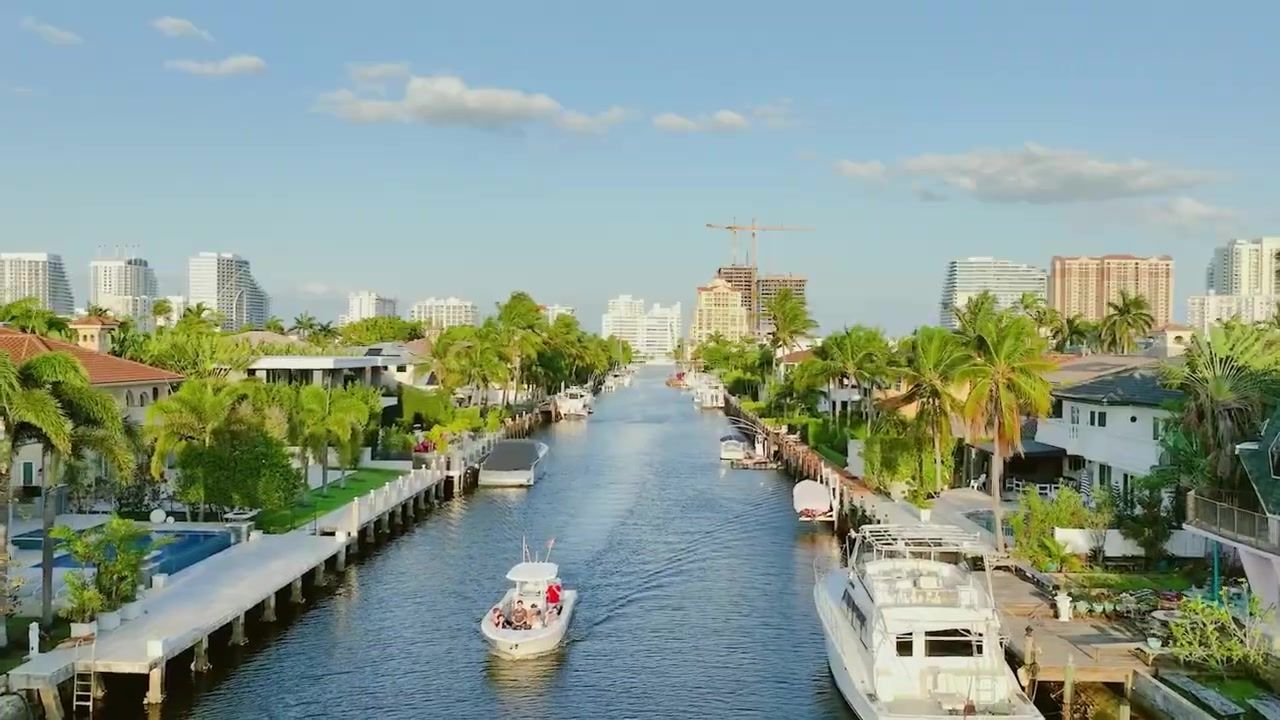
Fort Lauderdale isn't cheap anymore. And I'm not just talking about what you're going to pay for the house. Let's say you're moving here because you want the full Fort Lauderdale lifestyle. You buy the waterfront home, put a boat behind it. You've got the pool, the landscaping, maybe a dock and a boat lift. Now start adding everything up.
Property taxes, homeowner's insurance, potentially flood insurance, maintaining the seawall, the dock, the pool, the landscaping, and if you own the boat, you've got fuel, maintenance, insurance, and everything else that comes along with that. That's where the number can start getting away from you pretty quickly.
Obviously, not everybody moving to Fort Lauderdale is buying a multi-million dollar waterfront home with a boat sitting behind it. There's plenty of different ways to live here. But the point is the same regardless of your price point. Don't just ask yourself, can I afford to buy this house. Ask, what is it actually going to cost me to live the life I'm moving here for?
Because Florida having no state income tax is absolutely a benefit, especially if you're coming from a high-tax state. That doesn't automatically make living here inexpensive. The house might fit your budget. The lifestyle attached to it might not.
Insurance Can Change Which House You Buy
Insurance is obviously not unique to Fort Lauderdale. It's an issue throughout Florida. But when you're buying in a coastal city with waterfront properties and a mix of brand new construction and homes that might be 50, 60, even 70 years old, the house you choose can make a huge difference.
Two homes might be similarly priced, but one has a newer roof, impact windows and doors, updated electrical and plumbing, and was built to newer construction standards. The other might be a beautiful older home that hasn't had all of those updates. Those two properties can be very different conversations when you start looking at insurance.
This is where I see relocation buyers make a mistake. They find the house, they fall in love with it, they're already imagining themselves living there, then they call their insurance agent. I'd rather do it the other way around. Get the quote early. Understand whether you'll need flood insurance. Look at the roof, the windows, the age of the home, the elevation, and anything else that's going to affect what it costs to insure.
Because sometimes insurance doesn't just change what the house costs you every month. It can change which house makes sense to buy in the first place. And that's something you want to know before you fall in love with the view.
Living With Water: Flooding, Seawalls, and King Tides
Remember pro number one when I said the water is one of the best things about living in Fort Lauderdale? Well, this is the other side of it. When you're buying this close to the ocean, the Intracoastal, and all of these canals, you can't look at the water as just part of the view. You have to understand how it affects the property.
Flooding here isn't as simple as saying this neighborhood floods or this neighborhood doesn't. It can literally change from one street to the next. You can have heavy summer rain that overwhelms drainage in certain areas, and then you have king tides where some of the lower-lying streets can get water even when there isn't a cloud in the sky. The first time you see that as somebody who's just moved here, it's pretty strange.
But if I'm buying a home here, especially anywhere near the water, I'm asking a lot more questions. What's the elevation of the property? What's the flood zone? Has the house or street flooded before? How does the street drain after a major storm? And if it's directly on the water, what condition is the seawall in? Because replacing or repairing a seawall is not something you want to discover after you've already bought the house.
None of this means I wouldn't buy waterfront property in Fort Lauderdale. People do it every day, and for the right buyer, it's one of the biggest reasons to live here. I'm just saying you need to understand what you're buying. Because in Fort Lauderdale, sometimes two houses a few streets apart can have completely different relationships with the water. And that's something you're probably never going to figure out from the listing photos.
Getting Around: Traffic, Drawbridges, and Snowbird Season
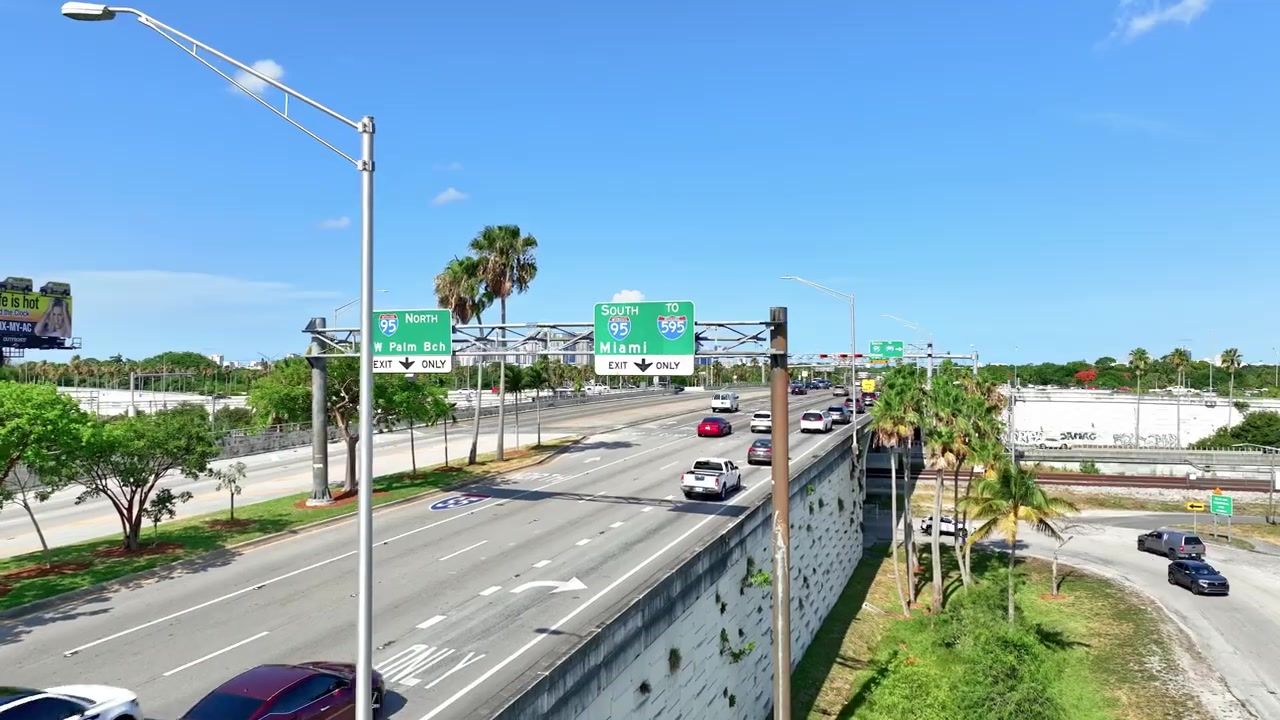
Here's one that you're probably not going to notice as much when you're here on vacation. Getting around Fort Lauderdale can test your patience. You've got I-95, 595, beach traffic, construction, and then from roughly October through April, you have snowbird season bringing even more people onto the roads.
But Fort Lauderdale adds another wrinkle that you don't deal with in most cities: the drawbridges. You could be 5 minutes from where you're going, you're already running a little late, and then the arms come down because a sailboat needs to get through. And now you're sitting there watching somebody else enjoy one of the reasons you moved to Fort Lauderdale. It's almost funny, until you're the one late for dinner.
After you live here for a while, you start figuring it out. You learn which roads back up, which bridges can slow you down, and which routes make more sense depending on the time of day. But this is also why I tell people not to judge a location based purely on mileage. A house might only be 4 miles from Las Olas or the beach, but that doesn't necessarily mean you're getting there in 10 minutes.
So when you're deciding where to live, don't just ask, how far away is everything? You have to ask, how long is it actually going to take me to get there when I'm going to use it? Five miles in Fort Lauderdale at 10 AM on a Sunday morning and 5 miles at 5:30 on a Thursday afternoon can feel like two completely different distances. Occasionally there's going to be a yacht between you and where you're trying to go.
The Summer Nobody Posts on Instagram
And then there's the weather. Not the weather you experience when you come down here for a week in February. Real South Florida weather. From about June through September, it's hot, it's humid, and there are days where you walk outside and immediately wonder why you bothered taking a shower.
Then around 3 o'clock, the sky can turn completely black, it pours for 20 minutes, and an hour later the sun is back out like nothing happened. You get used to it, but if you've only experienced Fort Lauderdale between November and April, you haven't really experienced Fort Lauderdale yet.
And then there's hurricane season, which runs from June through November. That doesn't mean you're getting hit by a hurricane every year, but it does mean there are times when you're watching the forecast just a little more closely, making sure you have the supplies you need, bringing things inside, putting up the shutters if you don't have impact glass, and potentially preparing your home if a storm is headed this way.
That's part of living in South Florida, and this is actually something I recommend to people who are seriously thinking about relocating here. Come visit Florida in the summer. Don't only come down when it's 75 degrees and sunny while everybody back home is freezing. Come in August. Walk around outside. Go look at houses. Spend the full day here when it's 92 degrees humid and there's a thunderstorm rolling in at 4 o'clock.
Because some people experience that and say, I'll take this over winter every single day. But other people realize they're going to spend 4 months moving from air conditioning to air conditioning. Neither one is wrong, but it's something I'd rather you figure out before you move here than after.
Three Gray Areas You Need to Understand
We've covered the pros and we've covered the cons, but here's where Fort Lauderdale gets a little more complicated. Because some of the biggest decisions you'll make here aren't necessarily good or bad. They're trade-offs. Something one buyer is willing to pay a premium for might mean absolutely nothing to somebody else. The lifestyle one person moves here for could be exactly what another person is trying to get away from.
So before I tell you who I think Fort Lauderdale is really right for, there are three gray areas I think you need to understand.
Waterfront Isn't Just Waterfront
If you're considering waterfront property, this is one of the most important things to understand. Not all waterfront is created equal. Two homes can look almost identical on paper, similar house, similar dock, even a similar price, but one could have deep water with no fixed bridges between you and the ocean, while another could have a low bridge somewhere along the route that limits the size of boat you can get through. And you'd never know that just looking at the house.
So if boating is part of the reason you're moving here, the question isn't simply does the house have a dock. It's does this water actually work for the boat I'm going to put behind it? If you're a serious boater with a larger boat, deep water and no fixed bridge access could be incredibly important. But if you've got a smaller boat or you mainly want waterfront because you love the view, well then paying a premium for that access might not make any sense.
That's why this one is a gray area. The best waterfront property isn't necessarily the most expensive one. It's the one that works for how you're going to actually use it.
Condo or Single-Family?
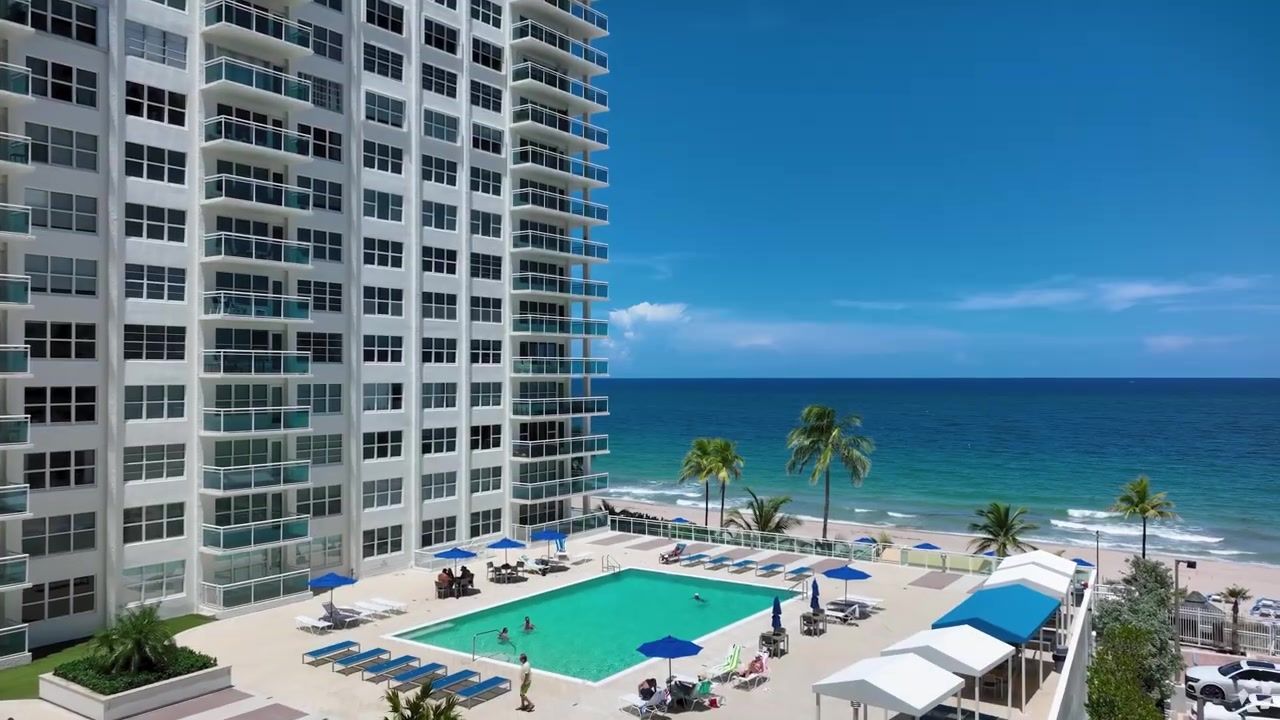
Another decision that really depends on how you want to live is whether you buy a condo or a single-family home, because those can be two completely different ownership experiences in Fort Lauderdale. A condo can make a lot more sense if you travel frequently, want something more lock and leave, or like having amenities without maintaining everything yourself.
But especially if you're considering an older building, you need to do your homework. Look at the reserves. Understand the HOA fees. Ask about assessments. Look at the condition of the building and what major projects could be coming.
With a single-family home, you get more privacy, more control over the property, and potentially your own yard, pool, or dock. But now all of that belongs to you. The roof, the pool, the landscaping, and if you're waterfront, potentially the seawall and the dock.
So I wouldn't start by asking which one is a better investment or which one is a better deal. I'd start with a much simpler question. How do you actually want to live? Because the right answer for somebody who spends 6 months traveling every year could be completely different from somebody who wants a backyard, a boat behind the house, and complete control over their property.
Fort Lauderdale is Changing
The last gray area is something you're going to notice pretty quickly when you drive around Fort Lauderdale. The city is changing. New towers are going up, new restaurants are opening, older properties are being redeveloped, and there's a lot of investment coming into different parts of the city.
For some people, that's a huge positive. They want to live somewhere that's growing. They like seeing new restaurants, new developments, more amenities, and parts of the city continuing to improve. But there's another side to that. You have to live through the growth. That means construction, more traffic, more people. And in some areas, you're watching some of the older, lower-rise character of Fort Lauderdale gradually change.
For some people, that's progress. For somebody else, that's exactly what they don't want. And that's why I wouldn't put this one in either the pros or the con column. If you like being part of a city that's evolving and becoming more urban, Fort Lauderdale can be really exciting. But if what you're looking for is somewhere quiet, established, and unlikely to change very much over the next 10 or 20 years, there may be other parts of South Florida that fit you better.
Is Fort Lauderdale Right for You?
So after all of that, here's the question I'd ask myself if I were thinking about moving to Fort Lauderdale. What does your regular Tuesday look like? Not your vacation, not a long weekend when you're staying near the beach, just a regular Tuesday.
If you want to wake up close to the water, maybe take the boat out after work, have great restaurants nearby, spend a lot of your year outside, and still have the energy of a city around you, Fort Lauderdale is going to be pretty hard to beat. If you're somebody who travels frequently, wants easy access to the airport, likes having Miami nearby without necessarily living there, or just wants a lot of different things within a relatively small area, it starts making even more sense.
But there are trade-offs. You're going to pay more for that lifestyle. You're going to deal with traffic, drawbridges, insurance, summer heat, and if you're near the water, there are things you're going to have to pay attention to that somebody living farther inland probably never thinks about.
And if what you really want is a bigger yard, a quieter suburban neighborhood, newer construction, or simply more house for your money, there are other parts of South Florida that may fit you better. And that's really the point. The goal isn't to find the best city in South Florida. It's to find the place where the life you want to live actually makes sense. And for the right person, that absolutely can be Fort Lauderdale.
Conclusion
Fort Lauderdale offers something that's hard to find anywhere else in South Florida: a genuine waterfront lifestyle combined with urban energy, proximity to Miami, and neighborhoods that let you walk to dinner or dock your boat behind the house. But it's not for everyone. The cost of living is high, insurance can be complicated, and the summer heat is real.
If you're seriously considering Fort Lauderdale, I'd encourage you to reach out before you book the flight, not after. Just one good conversation with us can save you days and months of looking in the wrong places and help you focus on the neighborhoods that fit the way you want to live. That's what we do every day. We help people relocate to South Florida and figure out where they fit first, and then we find them the right home.
Give us a call, send us a text, or fill out the contact form on our website. We'd love to help you figure out if Fort Lauderdale is the right move for you.
FAQ
Is Fort Lauderdale more expensive than other South Florida cities?
Yes, Fort Lauderdale tends to be more expensive than many surrounding areas, especially if you're looking at waterfront property or neighborhoods close to downtown and Las Olas. The total cost of living, property taxes, insurance, maintenance, and lifestyle expenses, can add up quickly. Florida has no state income tax, but that doesn't automatically make living here cheap.
How bad is the traffic in Fort Lauderdale?
Traffic can be frustrating, especially during snowbird season from October through April. You'll also deal with drawbridges that can add unexpected delays when boats need to pass through. The key is understanding how long it actually takes to get somewhere during the times you'll be using those routes, not just how many miles away it is.
What should I know about flooding before buying in Fort Lauderdale?
Flooding can vary street by street. Heavy summer rain can overwhelm drainage in some areas, and king tides can flood low-lying streets even on sunny days. Before buying, ask about the property's elevation, flood zone, and whether the street or house has flooded before. If you're buying waterfront, also check the condition of the seawall.
Should I buy a condo or a single-family home in Fort Lauderdale?
It depends on your lifestyle. A condo makes sense if you travel frequently, want lock-and-leave convenience, or prefer amenities without the maintenance. A single-family home gives you more privacy and control but also means you're responsible for the roof, pool, landscaping, and potentially a seawall and dock if you're on the water. If you're considering an older condo building, do your homework on reserves and potential assessments.
What's summer really like in Fort Lauderdale?
From June through September, it's hot and humid. Afternoon thunderstorms are common, and hurricane season runs from June through November. If you've only visited in winter, you haven't experienced the full year-round climate. I recommend visiting in August before deciding to move, so you understand what those four months actually feel like.
Does waterfront location matter for boaters in Fort Lauderdale?
Absolutely. Not all waterfront is the same. Deep water and no fixed bridges between you and the ocean matter if you have a larger boat. A low fixed bridge along your route can limit the size of boat you can get through. If boating is a major reason you're moving here, make sure the water actually works for the boat you plan to own.

Jonathan Alexander creates educational YouTube content to guide potential buyers through the process of relocating to South Florida, offering insights on the best places to live and what to expect. As a seasoned Realtor®, he combines his expertise with a passion for helping clients make informed real estate decisions.
New Content on youtube every week