Living in Fort Lauderdale, FL: Best Neighborhoods and Lifestyle Guide
Most people think they already know Fort Lauderdale. Spring break, the beach, the yachts, maybe a more relaxed, cheaper version of Miami. But that version of Fort Lauderdale disappeared a long time ago. Today, it's become one of the most desirable places to live in South Florida, and I think what surprises people most is how different it feels once you actually spend some time here.
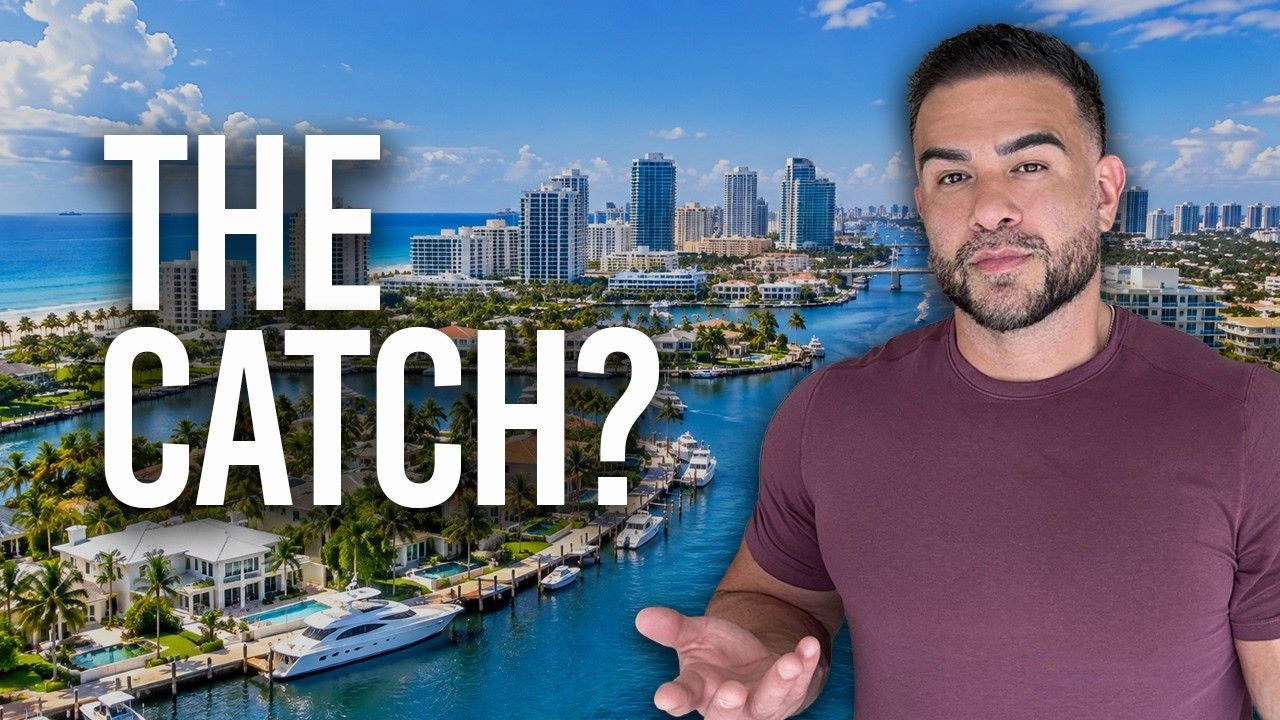
Here's the first thing you need to understand: Fort Lauderdale isn't really defined by the beach. It's defined by the water behind it. Nearly 300 miles of navigable waterways, the Intracoastal, the New River, canals running through neighborhoods, and one of the largest boating communities in the country. If you're thinking about living here, that water matters more than you might think.
Two waterfront homes in Fort Lauderdale can look almost identical on paper, similar house, similar dock, even a similar price, but one could be on deep water with no fixed bridges between you and the ocean, while another could have a low bridge somewhere along the route that limits the size of the boat you can get through. You'd never know that just by looking at the house. But if you're buying here because you own a boat, that one detail can completely change what the property is worth to you.
Fort Lauderdale isn't just one lifestyle. Depending on where you live, your experience here can be completely different. So instead of just giving you another list of neighborhoods, I'm going to break down the different ways you can actually live here, what each one gives you, and which one might make the most sense for you.
Table of Contents
- Fort Lauderdale vs. Miami: A More Relaxed Pace
- Las Olas Isles / Seven Isles / Nurmi Isles: Classic Waterfront Living
- Coral Ridge Isles: Affordable Waterfront Without the Premium
- Harbour Beach: The Top of the Waterfront Market
- Downtown Fort Lauderdale / Las Olas / Flagler Village: Walkable Urban Living
- Victoria Park: Quiet Character Near Downtown
- Wilton Manors: Community and Walkability
- Galt Ocean Mile: Beachfront Condo Living
- Imperial Point: Inland Value and Quiet Neighborhoods
- Croissant Park: Central Location and Opportunity
- Which Fort Lauderdale Neighborhood Is Right for You?
- Conclusion: Is Fort Lauderdale Right for You?
Fort Lauderdale vs. Miami: A More Relaxed Pace
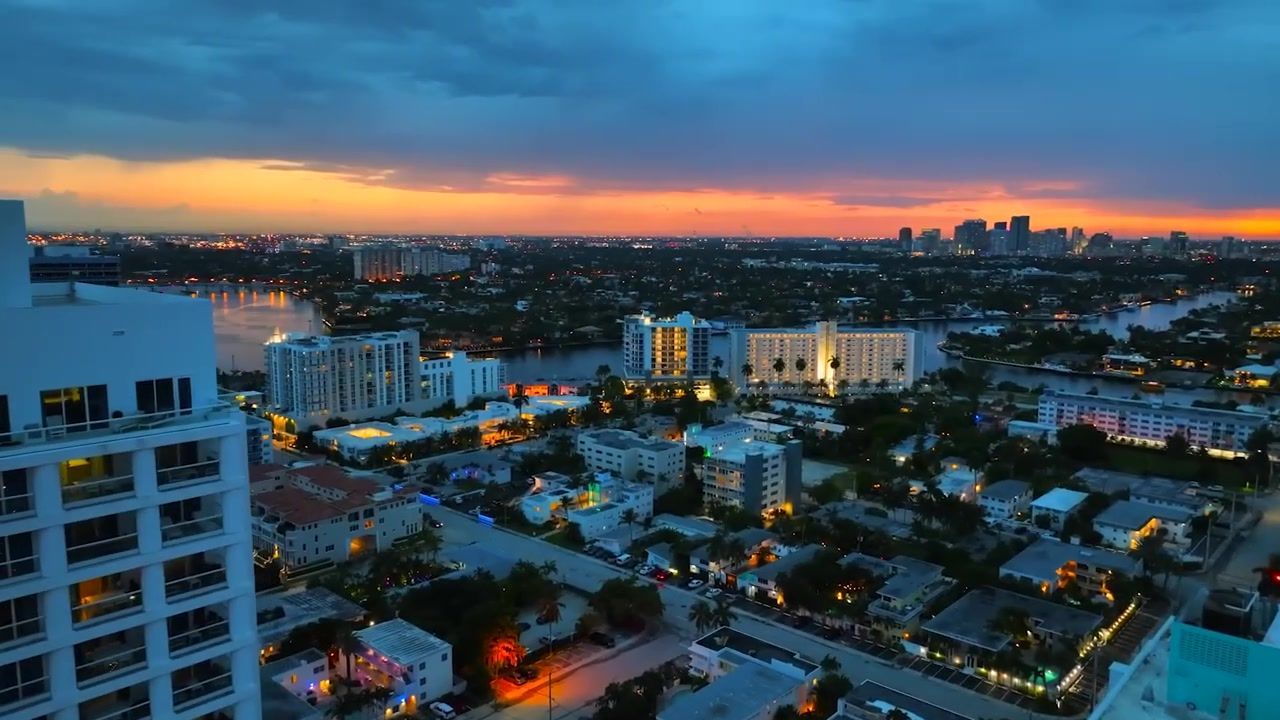
One of the first things people notice about Fort Lauderdale is how it compares to Miami. You still have the beaches, boating, restaurants, nightlife, and year-round sun, but without quite the same pace, congestion, or intensity. People describe it as laid-back, easygoing, almost like a big small town.
Fort Lauderdale sits right on the coast of Broward County, pretty much in the middle of South Florida. Miami is about 30 to 40 minutes south and the Palm Beaches are roughly the same distance north. So you're in a really central location with easy access to pretty much everything South Florida has to offer. In the southeast you've got Fort Lauderdale Hollywood International Airport, which is incredibly convenient, and right next to it is Port Everglades, one of the busiest cruise ports in the world.
Downtown you have the Brightline station, so you can jump on the train and get to Miami, West Palm, or Orlando without ever getting on I-95. That's a huge advantage if you want to avoid the traffic on I-95, which is definitely part of life here.
One of the best examples of that more relaxed feel is Las Olas Boulevard. It runs from downtown towards the beach with restaurants, boutiques, cafes, galleries, and a riverwalk along the New River. It also happens to be one of the few areas in South Florida where you can actually spend a good part of your day on foot. You can grab coffee, walk to lunch or dinner, do some shopping, spend some time along the Riverwalk, and you don't necessarily have to get in your car every single time you want to do something.
Now, one thing I do want to make clear: that walkable lifestyle is real, but it's mostly concentrated around downtown and Las Olas. Once you get outside of that area, Fort Lauderdale starts to feel a lot more like the rest of South Florida, where you're probably going to need a car. But if you want that combination of an urban lifestyle, the water, walkability, and a little more relaxed pace than Miami, Fort Lauderdale gives you a pretty unique balance.
Fort Lauderdale used to be considered the more affordable alternative to Miami. There's still value here compared to some neighboring markets, but that gap has narrowed quite a bit over the last 5 years. There's kind of a saying in South Florida real estate that old money gravitates towards Palm Beach, while a lot of younger wealth has been finding its way to Fort Lauderdale. We've seen it firsthand: business owners, people in finance, entrepreneurs, remote workers. Obviously, Florida having no state income tax is part of the draw, but I think there's more to it than that.
Fort Lauderdale just feels understated. You can have an incredible waterfront home, a huge boat sitting behind it, and still pull up to dinner in shorts and flip-flops and nobody really cares. If you want luxury but you don't necessarily want all the flash that can come with it, Fort Lauderdale does that really well.
Las Olas Isles / Seven Isles / Nurmi Isles: Classic Waterfront Living
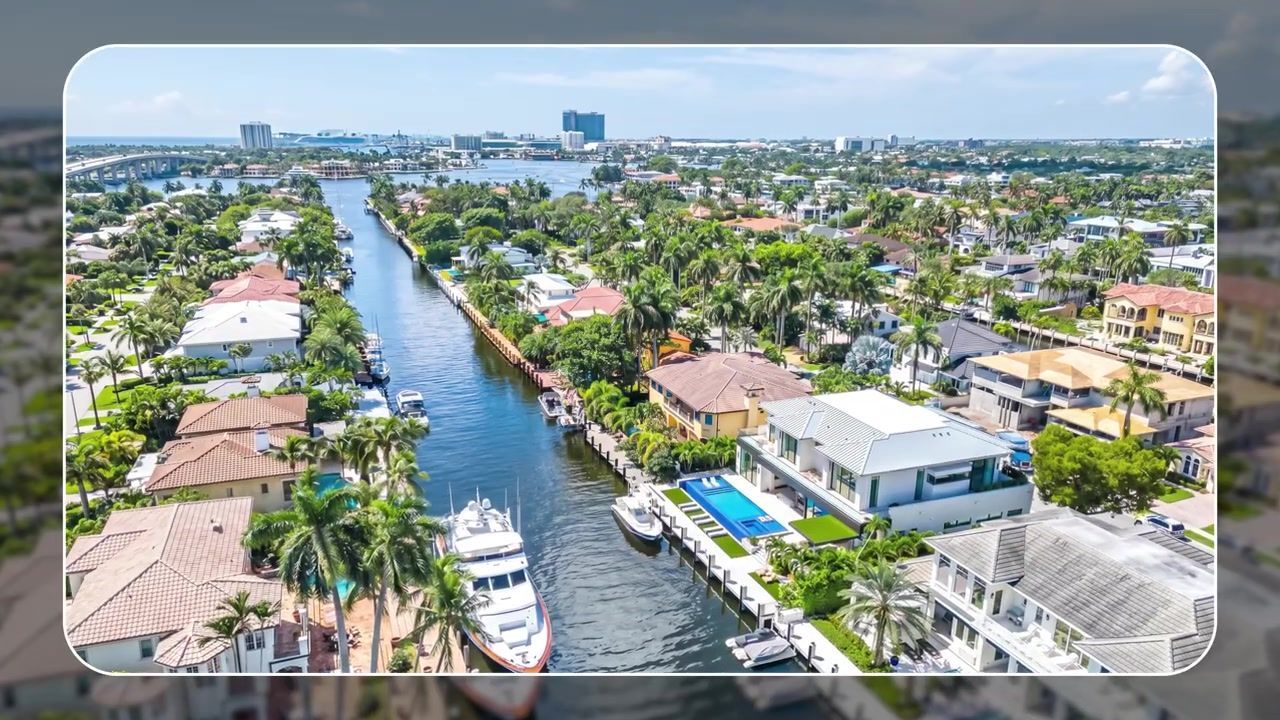
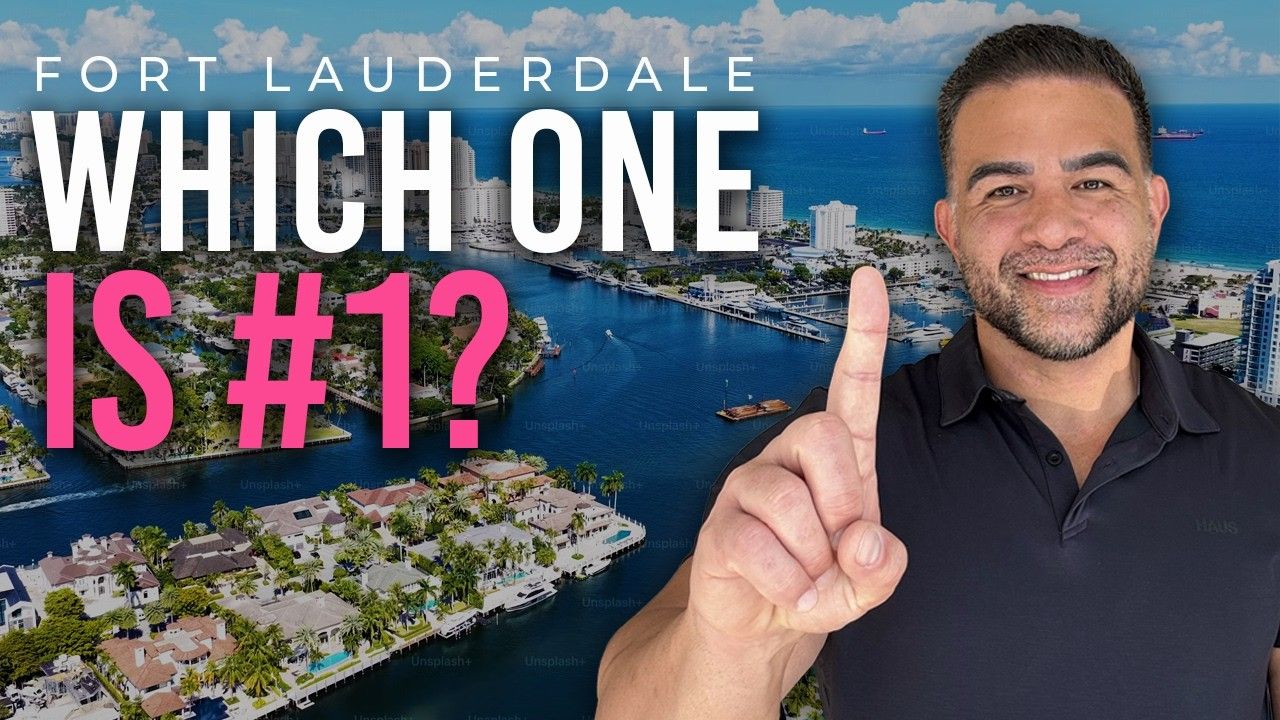
If your ideal weekend starts by walking out your back door and getting on your boat, the Finger Isle neighborhoods are really the classic Fort Lauderdale lifestyle. You've got Las Olas Isles, Seven Isles, Nurmi Isles, docks in the backyard, quick access to the inlet, and from there you're out in the Atlantic.
These homes can run well into the millions, and at the top you're talking about some serious trophy estates. But a big part of what you're paying for isn't just the house, it's the water and that no-fixed-bridge access to the ocean. That matters more than you might think.
Fort Lauderdale is called the Venice of America for a reason. In some neighborhoods, you can literally keep your boat behind the house, be on the Intracoastal within minutes, and out in the Atlantic not long after that. On the weekends, you'll see boats gathering at the Fort Lauderdale Sandbar where the New River meets the Intracoastal. If you want something quieter, you can head south towards Whiskey Creek where you can anchor along the mangroves, swim, paddleboard, or just spend the afternoon away from the crowds.
We've actually had buyers move here for that reason alone. They spent years up north squeezing a few weekends a year out of their boat and now they're using it most of the year. Maybe it's a couple hours before dinner, a Saturday on the water, or pulling right up to the dock at a place like Coconut's for lunch.
You don't even have to own a boat. You have options like Freedom Boat Club where you can get out on the water without dealing with actually owning one. It's also a great way to figure out how much you're really going to use a boat before you go out and buy one.
The biggest thing people don't realize about waterfront living in Fort Lauderdale is that not all waterfront is the same. You could have two homes that look almost identical, but one has deep water, no fixed bridges to the ocean, while the other has a low bridge that limits the size of boat you can actually own. If you're not a boater, that might not matter at all. But if boating is a big reason why you're moving here, it can make a huge difference in which neighborhood and even which house makes the most sense for you.
Bridge height and water depth can limit boat size. That's why you really have to understand the water here before you actually buy on it. If you're a serious boater, paying more for deep water and no fixed bridge access can absolutely make sense. But if you're only ever going to own a small center console, or maybe you don't even own a boat, you could end up paying a huge premium for access that you'll never use.
Coral Ridge Isles: Affordable Waterfront Without the Premium
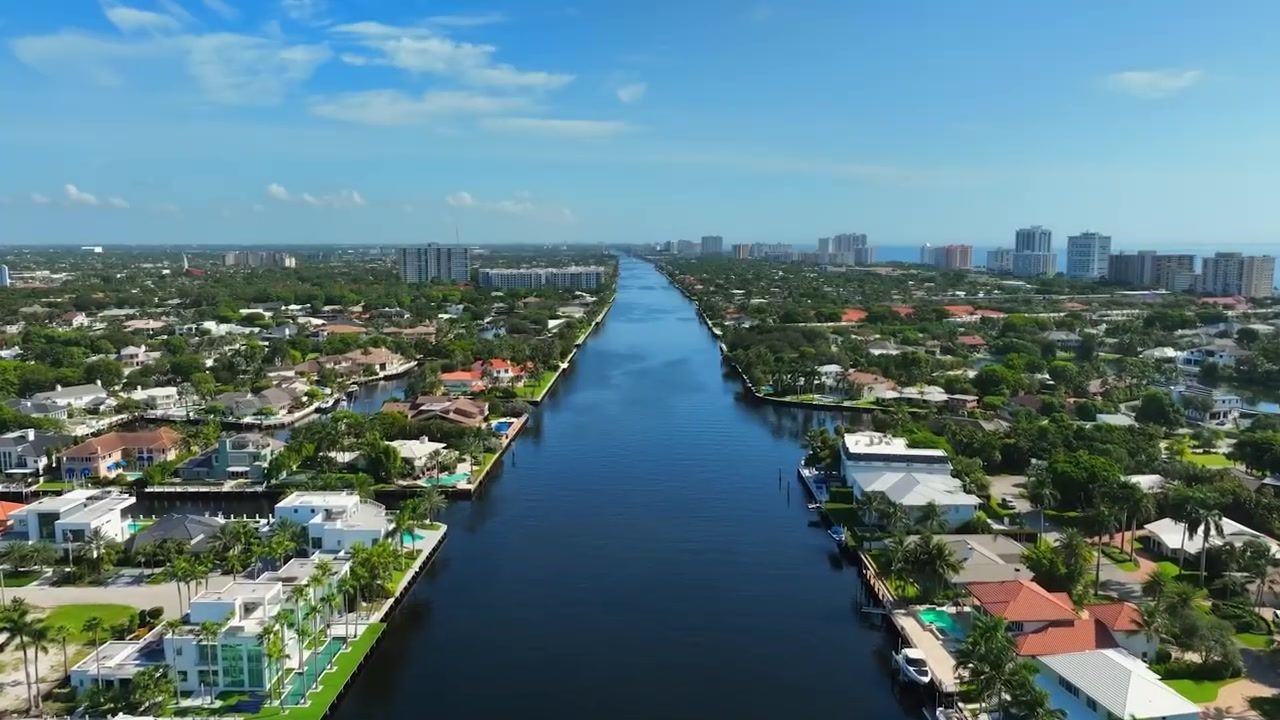
You don't need $10 million to live on the water in Fort Lauderdale. Take Coral Ridge Isles. You could still have a canal and a dock behind your house at a fraction of what you'd pay in some of these neighborhoods closer to the ocean.
The trade-off is the boating access. You're dealing with bridge and depth limitations. But if you're never planning on owning a 90-foot yacht anyway, you may not need to pay that premium.
This is what a lot of people miss about Fort Lauderdale. There are different levels of waterfront living. Maybe you don't need a huge yacht or the fastest possible access to the ocean. Maybe you just want a smaller boat, a dock behind your house, and the ability to get on the water on the weekends. If that's actually how you want to use it, some of these neighborhoods can make a lot more sense. You're still getting the waterfront lifestyle without paying for the boating access you may never use.
Coral Ridge Isles gives you that option. It's more affordable waterfront living, and for a lot of buyers, that's exactly what they're looking for. You still have the canal, the dock, the ability to get out on the water, just without the premium pricing that comes with direct ocean access.
Harbour Beach: The Top of the Waterfront Market
At the very top of the waterfront market, you have places like Harbour Beach and Bay Colony. Harbour Beach is guard-gated with a private beach, marina, and some of the highest priced waterfront real estate in the city.
Then you have Bay Colony, another 24-hour guard-gated community known for wide, deep canals with no fixed bridges, which obviously makes it extremely desirable for serious yacht owners. Those neighborhoods represent a very small part of the market, but they're the top of the food chain when it comes to waterfront living in Fort Lauderdale.
Harbour Beach represents the very top tier of waterfront living. You're paying for security, exclusivity, a private beach, and that guard-gated lifestyle. For buyers who want the absolute best waterfront location Fort Lauderdale has to offer, this is where you look.
So if boating is the whole reason you're moving here, this is where you really want to focus. But if the boat is more of a Sunday thing, don't pay a huge premium for access you're not going to actually use. That's the key to buying waterfront in Fort Lauderdale: match the property to how you're actually going to live.
Downtown Fort Lauderdale / Las Olas / Flagler Village: Walkable Urban Living
Now let's talk about the people who don't really care about having a dock and would rather have restaurants, coffee, and things to do within walking distance. That's where downtown, Las Olas, and Flagler Village come in.
For South Florida, these areas are very walkable. You've got restaurants, the Riverwalk, and easy access to the Brightline. You can literally walk to the train and be down in Miami for dinner without ever getting on I-95. These areas tend to lean younger and more urban, but they're also really popular with professionals and empty nesters who want that lock-and-leave lifestyle.
But just understand that you're living in a real downtown. There's energy, nightlife, new development, and construction. For some people, that's exactly what they want. For others, it's not.
Las Olas Boulevard is one of the few areas in South Florida where you can actually spend a good part of your day on foot. It runs from downtown to the beach with restaurants, boutiques, cafes, and galleries. You can grab coffee, walk to lunch or dinner, spend some time along the Riverwalk, and you don't necessarily have to get in your car every single time you want to do something. There's plenty going on, but it still feels pretty relaxed.
Downtown Fort Lauderdale has the skyline, offices, and all these newer high-rise condos. Flagler Village is part of that urban core with more residential towers, restaurants, and that same walkable energy. If you want an urban lifestyle in South Florida, this is one of the few places where you can actually get it.
Just know that downtown means activity. It means construction, traffic, people, and nightlife. If you want quiet, this isn't the place. But if you want to walk to dinner, take the train to Miami, and be in the middle of everything, downtown Fort Lauderdale gives you that option.
Victoria Park: Quiet Character Near Downtown
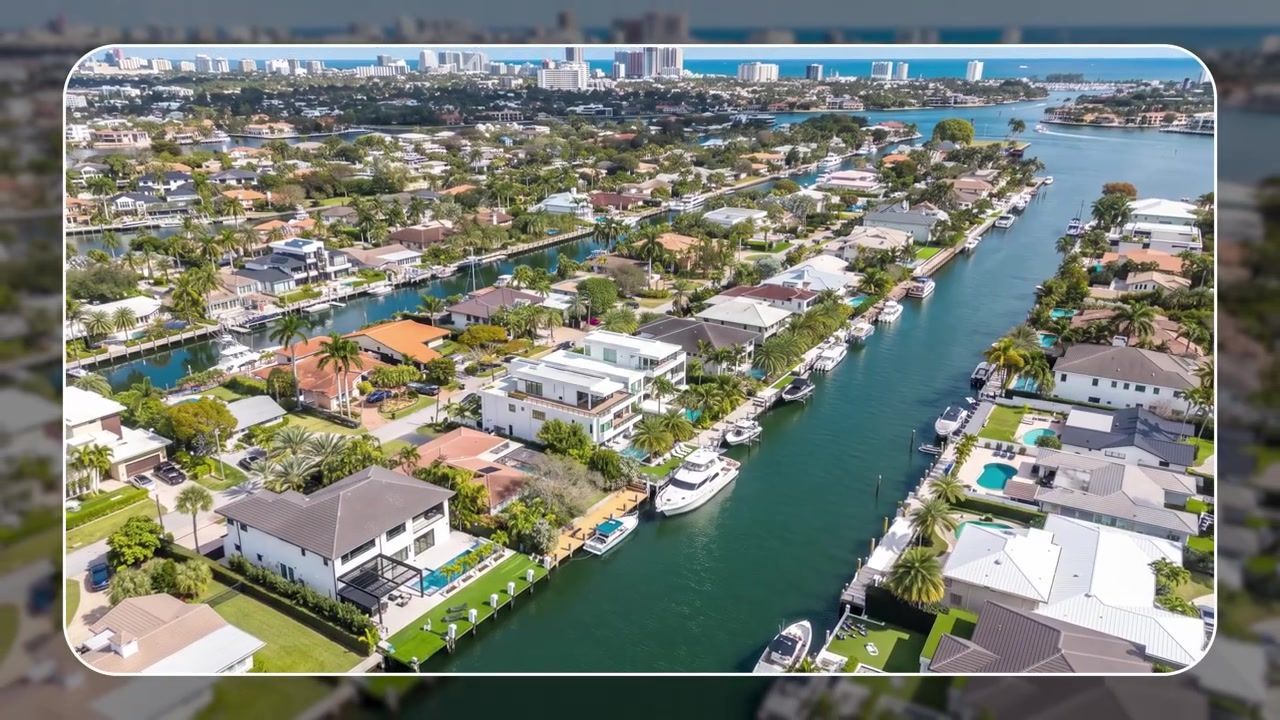
Right outside of that urban core, you have some of the neighborhoods with a lot more character. Victoria Park is tree-lined, quiet, and still incredibly central. It's just outside the activity of downtown, but you're close enough that you can still walk or bike to Las Olas if you want to.
Victoria Park has that neighborhood feel while staying close to everything. You have quiet streets, big old trees, and older homes with character. For buyers who want to be near downtown but don't want to live in a high-rise or deal with all the urban energy, Victoria Park is one of the most popular options.
What's interesting about this part of Fort Lauderdale is how quickly the feel can change. You could be around all the restaurants and the activity of Las Olas, and just a few minutes away, you're on quiet streets with big old trees and older homes and a completely different feel. That's why neighborhoods like Victoria Park are so popular. You can have that quieter neighborhood lifestyle without feeling like you're far away from everything.
Colee Hammock is another one with beautiful old oaks and Las Olas running right through it. Rio Vista is one of the oldest and most prestigious neighborhoods in Fort Lauderdale, where you'll see people walking, riding around on golf carts, or taking the water taxi over to Las Olas. Then there's Sailboat Bend, the city's only historic district, which has a little more of a bohemian feel right along the New River.
These neighborhoods give you that character and that quieter feel while still being incredibly central. The closer you get to the most desirable walkable pockets, the more you're generally going to pay for it. But if you want walkability and more of that community feel, this whole area should definitely be on your radar.
Wilton Manors: Community and Walkability
Just north of downtown, we have Wilton Manors, which really has its own personality. It's very walkable, very social with restaurants and coffee shops, and there's really a strong sense of community there.
Wilton Manors is worth talking a little more about because that community is a big part of its identity. It's one of the most prominent LGBTQ+ communities in the country, with one of the highest concentrations of same-sex couples in the US, and it was also the first city in Florida to have an LGBTQ+ city commission.
For some of our buyers, that welcoming, inclusive community is actually one of the main reasons they're drawn to this part of Fort Lauderdale. Wilton Manors has restaurants, coffee shops, and a real neighborhood feel. You can walk to dinner, grab coffee, and there's always something going on. It's a very social area, and that sense of community is a big draw for many buyers.
If you're looking for walkability and more of that community feel, Wilton Manors should definitely be on your radar. It has its own identity, its own energy, and for the right buyer, it's exactly what they're looking for.
Galt Ocean Mile: Beachfront Condo Living
If you still want the beach, Galt Ocean Mile gives you condo living steps from the sand at a fraction of what you'd spend on a waterfront single-family home, and it has a real full-time community.
Galt Ocean Mile runs along Fort Lauderdale's beachfront with a concentration of condo buildings. You're steps from the beach, and you're paying a fraction of what a waterfront single-family home would cost. For buyers who want beach access without the price tag of a house on the water, Galt Ocean Mile is a really good option.
It's also a real community, not just vacation condos. People live here full-time, so you have that neighborhood feel even though you're in a condo building. You can walk to the beach, walk to restaurants along A1A, and you're still close to everything Fort Lauderdale has to offer.
Just north of there is Lauderdale by the Sea, which has more of that walkable old Florida beach town feel. It's a little more laid-back, a little quieter, and it has its own personality separate from Fort Lauderdale proper.
For buyers who want beach access and don't need a single-family home, Galt Ocean Mile is one of the best value options in Fort Lauderdale. You're getting the outdoor lifestyle, the beach, and a real community at a much more attainable price point.
Imperial Point: Inland Value and Quiet Neighborhoods
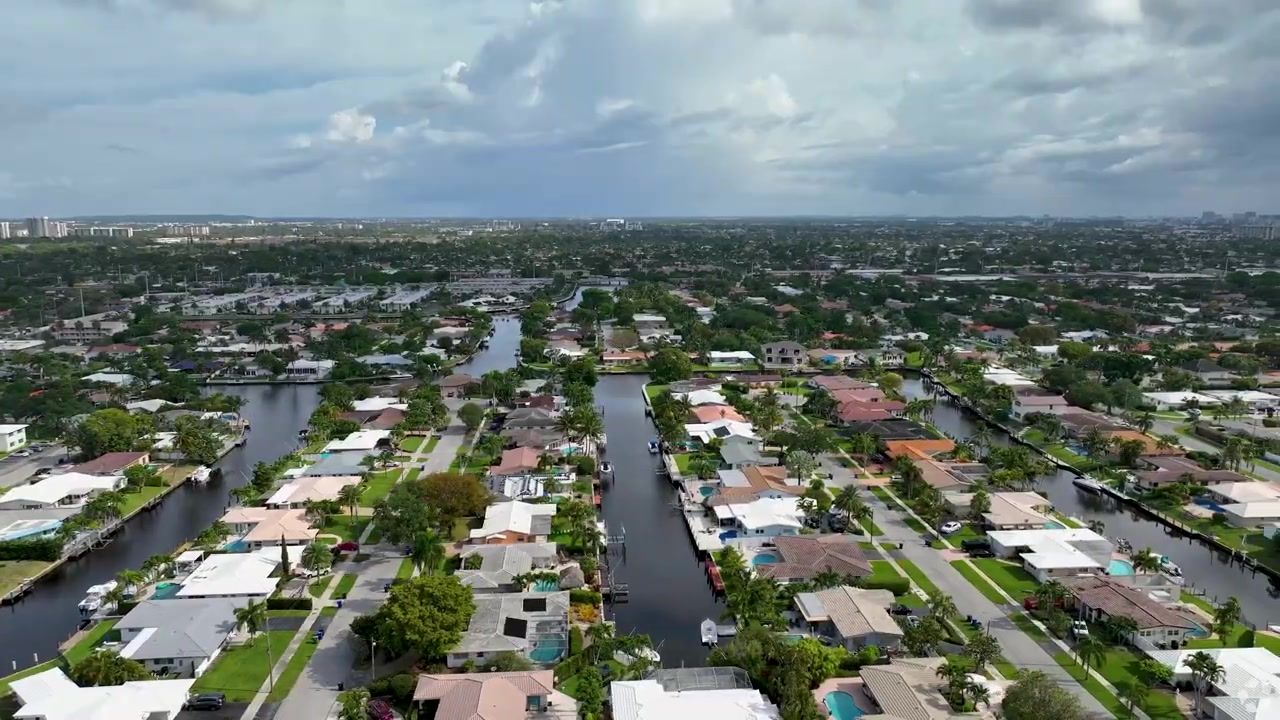
Then inland, you've got places like Imperial Point, a quiet mid-century neighborhood near the hospitals where you can still find some really good value.
Imperial Point is more affordable than a lot of the neighborhoods closer to the water or closer to downtown. It's quiet, it has that mid-century neighborhood feel, and it's near the hospitals, which makes it popular with medical professionals. But it's also just a good option for buyers who want a traditional neighborhood without paying the premium for waterfront or walkability.
This side of Fort Lauderdale can feel completely different from what most people picture. You have quiet streets, bigger trees, more traditional homes, much more of that neighborhood feel. And in some areas, you can still have canals and waterfront homes mixed right into it.
Then as you move into more affordable neighborhoods, you'll see a mix of older homes, renovated homes, and new construction starting to come in. So if you care more about getting a good house in a good location than being right on Las Olas or having direct ocean access, there's a lot more options than people actually realize.
Imperial Point is one of those neighborhoods where you can still find good value. It's not flashy, it's not on the water, but it's a solid neighborhood in a good location, and for buyers who are looking for that, it's worth considering.
Croissant Park: Central Location and Opportunity
Then there are neighborhoods like Croissant Park and Poinciana Heights that have been changing quite a bit. You'll even hear people refer to Croissant Park as the next Victoria Park because of how central it is to the airport, downtown, and the beach.
Croissant Park is a neighborhood in transition. It's incredibly central, close to the airport, close to downtown, close to the beach, and that location is a big part of the appeal. Some people call it the next Victoria Park, meaning it's a neighborhood that's changing, improving, and attracting buyers who are willing to look beyond the obvious neighborhoods.
You can get more for your money in Croissant Park than you would in Victoria Park or some of the other more established neighborhoods. The trade-off is that it's still changing. You're not buying into a finished product. But if you're willing to look at neighborhoods that are still evolving, Croissant Park is well-positioned within the city, and there's definitely opportunity there.
Poinciana Heights is another one that's been changing quite a bit. These are neighborhoods where you can still find value, and for buyers who are willing to look beyond the most obvious areas, there are still parts of Fort Lauderdale where you can get more for your money and be really well positioned within the city.
Which Fort Lauderdale Neighborhood Is Right for You?
So after covering all these neighborhoods, how do you actually decide where to live? Because Fort Lauderdale isn't just one lifestyle. Depending on where you live, your experience here can be completely different.
If you're a serious boater and you want to walk out your back door and get on your boat, the Finger Isle neighborhoods like Las Olas Isles, Seven Isles, and Nurmi Isles are the classic Fort Lauderdale lifestyle. You're paying for that no-fixed-bridge access to the ocean, and if that's how you're going to use the property, it's worth every dollar. But if you're not a serious boater, Coral Ridge Isles gives you waterfront living at a fraction of the cost.
If you want walkability and urban energy, downtown, Las Olas, and Flagler Village give you that lifestyle. You can walk to restaurants, take the train to Miami, and be in the middle of everything. But just understand that you're living in a real downtown with construction, traffic, and activity.
If you want a neighborhood feel but still want to be close to everything, Victoria Park, Colee Hammock, and Rio Vista give you that character and those tree-lined streets while still being incredibly central. Wilton Manors gives you walkability and a strong sense of community.
If you want beach access without paying for a waterfront single-family home, Galt Ocean Mile is one of the best value options. And if you want a traditional neighborhood with good value, Imperial Point and Croissant Park are worth looking at.
The mistake is coming here, spending an afternoon walking around Las Olas, falling in love with that lifestyle, and then buying a house 15 minutes away thinking you're going to live the same way. You're not. So when you're choosing where to live, don't just pick Fort Lauderdale. Pick the part of Fort Lauderdale that actually gives you the lifestyle you want.
Conclusion: Is Fort Lauderdale Right for You?
After all of that, is Fort Lauderdale actually right for you? I think the best way to answer that is to forget about what your vacation here looks like and think about a regular Tuesday. What do you actually want your day-to-day life to look like?
If it's grabbing coffee somewhere around Las Olas, walking along the Riverwalk, getting on the boat after work, going out for dinner, and spending as much time outside as possible, Fort Lauderdale is pretty hard to beat. With more than 240 sunny days a year, being outdoors isn't really a weekend thing here. The beach becomes somewhere you stop after work. You can go and take a walk, go for a run, or just spend a couple of hours without making a whole day out of it.
Fort Lauderdale is the only place in the continental United States where you can snorkel or dive a living coral reef right off the beach. There's no boat needed. You have places like Hugh Taylor Birch State Park, which feels completely different. You're right in the middle of Fort Lauderdale, but you got trails, kayaking through the mangroves, tons of trees, and all of this old Florida scenery. Whether it's the beach, getting out on the water, biking, kayaking, or just going for a walk, being outside becomes a much bigger part of your everyday life here.
Fort Lauderdale's dining scene has gotten really good too. You still have the old school places that have been here forever: Rustic Inn with the mallets and garlic crabs, Southport Raw Bar or Coconut's where you can literally pull up by boat. But then you have a completely different side of it. Las Olas has steakhouses and higher-end restaurants like Louie Bossi's and Eddie V's. On the water, you've got places like Boatyard and Casa Sensei. There are new restaurants opening up all the time. You can go somewhere really casual, grab seafood on the water, show up after being on the boat all day, or you can get dressed up and have a really nice dinner on Las Olas, and it still feels pretty relaxed.
But maybe that's not what you want. Maybe you'd rather have a bigger backyard, a quieter suburban neighborhood, lower carrying costs, or somewhere that isn't changing quite as quickly. There's nothing wrong with either. The goal of this video isn't to convince you to move to Fort Lauderdale, it's to show you what living here is actually like so you can decide whether it fits the way that you want to live.
Now, there are some trade-offs you need to know about. Fort Lauderdale isn't cheap, and those days of coming down here and finding some hidden Florida bargain are pretty much gone. Older mid-century homes farther inland can be much more attainable, while waterfront homes can start in the millions and run well into the tens of millions for some of the trophy properties. Florida doesn't have a state income tax, and if you're coming from somewhere like New York, New Jersey, or California, that can be a big advantage. But you have to look at the entire picture. Depending on the property, you've got homeowner's insurance, potentially flood insurance, property taxes, and obviously the cost of the home itself.
One of the biggest surprises inside that monthly number is insurance. Florida's homeowners insurance market has been tough for years. Premiums have gone up, some carriers have left the state, and depending on where the property is located, you may need flood insurance on top of your regular homeowners policy. I've seen buyers find a house they absolutely love, get the insurance quote back, and suddenly the numbers don't make as much sense anymore. Get insurance quotes early in the process. Don't wait until you're two weeks from closing to find out what it's actually going to cost.
Flooding is definitely real, but there's a lot more nuance to it than people realize. Back in 2023, Fort Lauderdale got about 25 inches of rain in roughly 12 hours. It was a historic event that shut down the airport, made national headlines, and exposed some of the city's aging drainage infrastructure. But then there's another type of flooding that really catches people from out of town off guard: king tides. A few times a year, higher tides can push saltwater back through the storm drains and onto some of the lower-lying streets. So you can literally have blue skies overhead and still see water in parts of the Las Olas Isles.
The important thing to understand is that this does not happen everywhere. It can really change from one street to the other. You may have one area that deals with water during king tide and another street nearby that has very little issue at all. So if you're looking at a home in one of these lower laying areas, don't just ask, does Fort Lauderdale flood? You want to know the history of that specific street and that specific property. The city has been working on it. Fort Lauderdale is putting about $1.6 billion into its Fortify Fort Lauderdale initiative, including new stormwater pipes, pump stations, and valves. So flooding isn't necessarily a reason to cross Fort Lauderdale off your list, it's just something that you need to understand at the property level, especially if you're looking at waterfront or in one of the lower-lying areas.
Getting around is probably one of the biggest complaints you'll hear about living here. I-95 and 595 traffic is just part of life in South Florida and it definitely gets worse during snowbird season, roughly October through April. But Fort Lauderdale has another issue that's pretty unique because of all the water, the drawbridges. They're everywhere, and when one goes up for a boat, traffic stops. Sometimes it's only a minute or two, but if you catch it at the wrong time, you're sitting there waiting for the bridge to come back down. The good news is you eventually learn which roads and bridges to avoid, and Fort Lauderdale itself is fairly compact, so you're usually not driving across some massive city just to get where you're going.
The weather is another factor. The winters are every bit as good as people say, but the summers are hot, they're really humid, and you're going to get those afternoon thunderstorms pretty regularly. If you're moving here from somewhere up north, that first summer can definitely take some getting used to. And yes, this is hurricane country. So every year there's a stretch where you're watching the forecast a little more closely, keeping some supplies around, and if something is headed our way, you prepare for it. But for most people, the trade-off is pretty simple. You deal with the heat and storms during the summer, and in return you get winters where you're outside while a good part of the country is dealing with freezing temperatures and snow.
Then there's the decision between a condo and a single-family home, because right now those can feel like two completely different markets. Single-family homes, especially on the water, tend to have more demand. Condos are a different story. After Surfside, Florida put stricter inspection and reserve requirements in place for older condo buildings, and because of that, a lot of owners have seen higher HOA fees and in some cases pretty significant special assessments. That's created some opportunities for buyers, but you really have to understand what you're buying. If you like that lock-and-leave lifestyle, you travel a lot, and you want the amenities of a condo building, there could be some really good options. But don't just look at the unit, we want to understand the building too. The reserves, any upcoming assessments, the condition of the building, and what those HOA fees actually cover. Because when you buy a condo, you're not just buying the unit, you're buying into the financial health of that entire building.
Is it actually easy to meet people when you move here? I think Fort Lauderdale is pretty good for that because there are so many people who are new themselves. People move here for work, the weather, retirement, or just a completely different lifestyle. So there are always other people looking to meet people too. But if you're coming from a town where everybody's known each other since high school, building those deeper relationships can take a little more time. The biggest thing is getting involved. Join a boating club, a gym or fitness group, a church, a pickleball league. Become a regular somewhere, whatever you're into. That's usually how you start finding your people. So if you're outgoing and willing to put yourself out there a little bit, Fort Lauderdale can be a really easy place to meet people.
The last thing you really need to understand is where Fort Lauderdale is headed, because this city is changing fast. While a lot of South Florida continues growing farther and farther west, Fort Lauderdale is also growing up. Downtown is getting denser, more walkable, and more connected. Downtown and Las Olas continue adding new towers, including Andare, which is expected to become one of the tallest residential buildings in Broward County. Along the water, Pier 66 has been completely redeveloped with a resort, residences, a superyacht marina, and new public waterfront areas. Over at Bahia Mar, where they hold the Fort Lauderdale International Boat Show, there's a massive redevelopment planned around a new St. Regis resort and residences. The Galleria is also slated for major redevelopment with new residential towers, while Fat Village is going through a huge transformation of its own. Add in the redesigned Huizenga Park, a new Omni Hotel, more restaurants, continued growth around Brightline, and improvements at the airport, and you start to understand just how much investment is coming into Fort Lauderdale.
That's exciting, but it also comes with some trade-offs. There's a lot more development, more restaurants, more people walking around, and parts of the city feel completely different than they did years ago. And there's definitely a good and bad side to that. It's exciting to see the city grow, but while it's happening, you're also dealing with construction, detours, more traffic, and sometimes a little more noise. For some people, all that growth is part of the appeal. They like living in a city that's changing, getting new restaurants, new buildings, better public spaces, and more things to do. For other people, it's the exact opposite. More development means more construction, more traffic, more people, and some of that older, quieter Fort Lauderdale starts to disappear. Neither one is right or wrong, it really just comes down to what you want.
For me, Fort Lauderdale has always been a great balance. You have the water, the beaches, great restaurants, different neighborhoods, and plenty going on. It can still feel pretty relaxed, and that's what I really like about it. But it's not going to be right for everybody. If you're seriously thinking about moving here, come spend some time in different parts of the city and see how they actually feel, because once you do that, I think you'll know pretty quickly whether Fort Lauderdale is right for you.
If you're thinking about moving to Fort Lauderdale or anywhere in South Florida, let's talk before you make the move. Reach out to us for a conversation about your goals, budget, and the neighborhoods that might be the right fit. We've helped over 1,000 families buy and sell homes across South Florida over the past 20 years, and we'd love to help you find your place here.
FAQ: Living in Fort Lauderdale
What is Fort Lauderdale known for?
Fort Lauderdale is known as the Venice of America because of nearly 300 miles of navigable waterways. It's one of the largest boating communities in the country, with the Intracoastal, the New River, and canals running through neighborhoods. It's also the only place in the continental United States where you can snorkel or dive a living coral reef right off the beach without needing a boat.
How does Fort Lauderdale compare to Miami?
Fort Lauderdale feels more relaxed than Miami. You still have beaches, boating, restaurants, nightlife, and year-round sun, but without quite the same pace, congestion, or intensity. People describe it as laid-back, easygoing, almost like a big small town. Fort Lauderdale is also more understated, you can have an incredible waterfront home and a huge boat but still pull up to dinner in shorts and flip-flops.
What are the best waterfront neighborhoods in Fort Lauderdale?
Las Olas Isles, Seven Isles, and Nurmi Isles are the classic Finger Isle neighborhoods with docks in the backyard and no fixed bridges to the ocean. Harbour Beach and Bay Colony represent the very top of the waterfront market with guard gates and private amenities. Coral Ridge Isles offers more affordable waterfront living, though with bridge and depth limitations for boating.
Is Fort Lauderdale walkable?
Downtown Fort Lauderdale, Las Olas, and Flagler Village are very walkable for South Florida. You can walk to restaurants, coffee shops, the Riverwalk, and the Brightline station. Wilton Manors is also very walkable with a strong sense of community. But once you get outside those areas, Fort Lauderdale becomes much more car-dependent like the rest of South Florida.
What should I know about flooding in Fort Lauderdale?
Flooding in Fort Lauderdale comes in two forms. Major storms can overwhelm drainage infrastructure, like the 2023 event that brought 25 inches of rain in 12 hours. King tides happen a few times a year when higher tides push saltwater through storm drains onto lower-lying streets, even with blue skies. Flooding is very street-specific, so you need to understand the history of the specific property you're considering. The city is investing $1.6 billion in its Fortify Fort Lauderdale initiative to improve stormwater infrastructure.
How much does it cost to live in Fort Lauderdale?
Fort Lauderdale isn't cheap. Older mid-century homes farther inland can be more attainable, while waterfront homes start in the millions and run well into the tens of millions for trophy properties. Florida has no state income tax, but you need to factor in homeowners insurance, potentially flood insurance, and property taxes. Insurance costs have gone up significantly in recent years, so get quotes early in your buying process to understand the true monthly cost.
What is the Fort Lauderdale dining scene like?
Fort Lauderdale's dining scene has gotten really good. You have old-school places like Rustic Inn, Southport Raw Bar, and Coconut's where you can pull up by boat. Then you have higher-end restaurants on Las Olas like Louie Bossi's and Eddie V's, plus waterfront spots like Boatyard and Casa Sensei. New restaurants are opening regularly, so you're not driving down to Miami anymore just because you want a great dinner.

Jonathan Alexander creates educational YouTube content to guide potential buyers through the process of relocating to South Florida, offering insights on the best places to live and what to expect. As a seasoned Realtor®, he combines his expertise with a passion for helping clients make informed real estate decisions.
New Content on youtube every week