Why Florida's Housing Market Won't Crash: Key Insights for Buyers & Sellers
Table of Contents
- Introduction
- 1. Florida Supply and Demand Imbalance: Why Prices Aren't Falling
- 2. New Construction Shortage in Florida: What’s Behind the Lack of Supply
- 3. Baby Boomers' Influence on Florida's Real Estate Market
- 4. Millennials Driving Florida’s Housing Market: The New Wave of Homebuyers
- 5. How Investors Are Impacting the Florida Real Estate Market
- 6. Remote Work and Its Effect on Florida’s Housing Preferences
- 7. Stricter Lending Standards in Florida Prevent a Deep Housing Market Crash
- 8. Low Foreclosure Rates and Built-Up Equity in Florida Homes
- Will the Florida Housing Market Crash in 2023?
- Practical Takeaways for Buyers, Sellers, and Investors in Florida
- Final Thoughts
- FAQs About the Florida Real Estate Market
- Closing
Introduction
Housing market update in Florida is more than a headline—it's an ongoing story of supply constraints, demographic shifts, and changing work patterns. If you’re wondering why home prices haven’t taken a dramatic hit despite rising interest rates and inflation, this breakdown walks through the eight forces keeping prices elevated and what they mean for buyers, sellers, and investors in Florida.
1. Florida Supply and Demand Imbalance: Why Prices Aren't Falling
Basic economics: when supply is low and demand remains, prices don’t fall dramatically. Across many Florida markets, inventory is still historically tight. Even with interest rate hikes and fewer overall transactions, the months-of-supply metric sits well below what would indicate a buyer’s market.
Key stats illustrate the point: total listings declined year-over-year in recent months, and months of supply grew modestly from extremely lean levels but stayed low compared with long-term norms. That shortage is most acute in entry-level single-family homes—the very segment first-time buyers need.
What this means locally
- Limited resale inventory: Many homeowners with low mortgage rates are reluctant to sell and trade up into higher-rate loans.
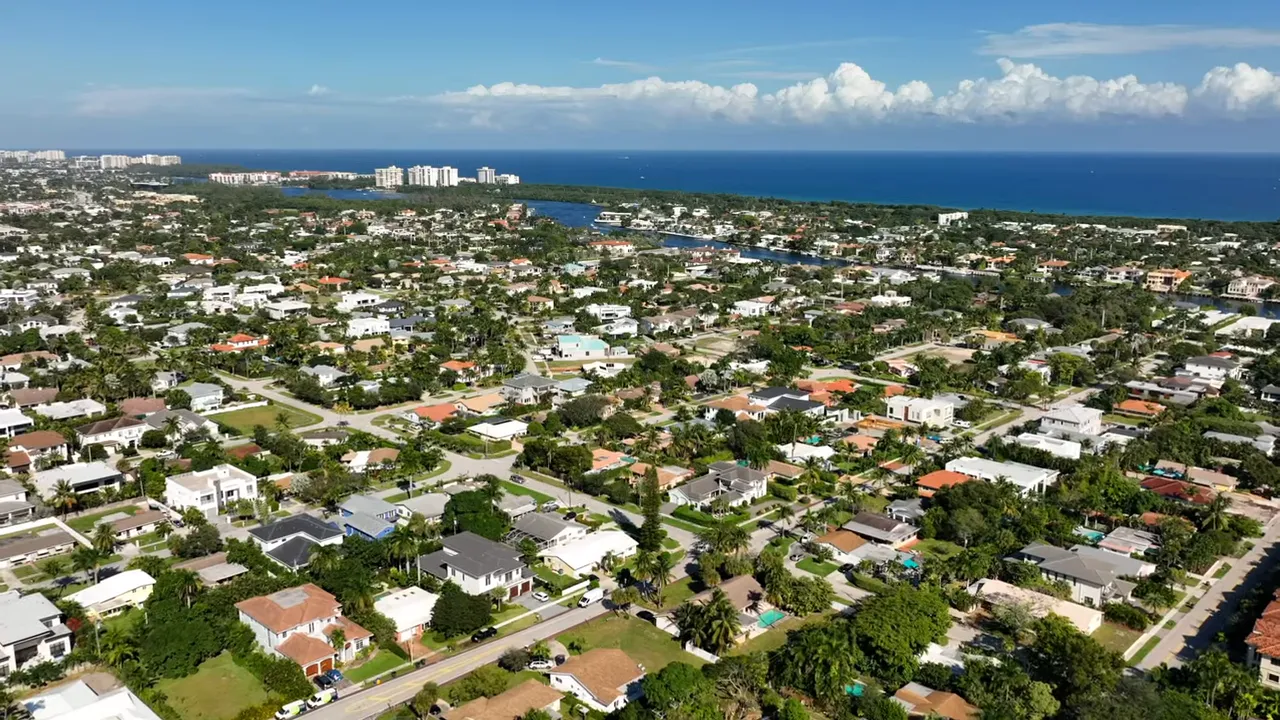
- Prices hold in hot neighborhoods: Renovated single-family homes in desirable Florida coastal communities still see competitive offers.
- Hyperlocal variation: Some cities have fallen back, but Florida’s popular metros are still absorbing demand.
2. New Construction Shortage in Florida: What’s Behind the Lack of Supply
New construction represents roughly 10% of the market in many areas. Builders never fully rebounded to pre-2007 volumes after the last crash. Adding land, approvals, and infrastructure takes time and money—both of which are constrained now. The single-family housing starts data over the last 25 years shows that while builders are active, a repeat of massive overbuilding is unlikely.
In Florida, much new supply is targeted at higher price points—luxury single-family homes and amenity-rich developments—rather than the starter homes most first-time buyers need. Rising construction costs, supply chain issues, and higher borrowing costs for builders push new homes upward in price, not downward.
3. Baby Boomers' Influence on Florida's Real Estate Market
Baby boomers hold a lot of equity after decades of appreciation. Many sold homes in high-cost markets, cashed out, and moved to Florida or other Sun Belt states. That wave of equity-rich buyers has two effects: they increase demand (sometimes paying cash) and reduce inventory in origin markets.
Some boomers downsize, buy second homes for retirement or seasonal living, or rent temporarily while deciding their next move. That behavior keeps transactions active and supports prices in Florida’s retirement-friendly communities.
4. Millennials Driving Florida’s Housing Market: The New Wave of Homebuyers
Millennials became the largest group of homeowners in recent years. Many are now in life stages—family formation, career stability—where homeownership makes sense. In Florida, this cohort has driven demand in suburban and lower-density markets after the pandemic’s move-to-space shift.
Obstacles remain for Millennials: student debt, affordability pressures, and, for some, dipping home equity due to HELOC usage. Still, their market participation is real, and when combined with boomer demand, that dynamic keeps a sizeable base of buyers active.
5. How Investors Are Impacting the Florida Real Estate Market
Investors—both small and institutional—have been buying single-family homes and condos, sometimes converting units into rentals or short-term listings. The popularity of short-term platforms boosted investor activity, especially in tourist-friendly Florida markets.
Investor purchases remove stock from the for-sale market and add rental inventory, which keeps landlords and investors earning while limiting supply for owner-occupants. Some cities have introduced restrictions on short-term rentals; where rules become stricter, we may see a partial unwind of investor holdings, but that process takes time.
6. Remote Work and Its Effect on Florida’s Housing Preferences
Remote work remains a structural shift. Data suggests remote work explained a significant portion of the price surge between late 2019 and 2021. People moved out of expensive urban cores toward warmer climates and lower-cost metros—Florida was a prime beneficiary.
Even with hybrid work patterns now common, many jobs remain location-flexible. That sustained demand from remote-capable workers increases competition for homes in Florida suburban and coastal communities and keeps prices supported.
7. Stricter Lending Standards in Florida Prevent a Deep Housing Market Crash
Lending today is not the “wild west” of 2007. Post-crisis underwriting and regulatory change mean borrowers face tough checks on income and credit. The median credit score for recent mortgage borrowers has been very high, which indicates stronger borrower quality and fewer risky loans in the system.
Higher rates are clearly a barrier for affordability, but rigorous lending means fewer homeowners suddenly defaulting on a wide scale. Creative products—like temporary buydown programs or FHA changes allowing lower down payments on multifamily units—offer pathways to mitigate some rate pain, but they do not recreate the lax conditions that preceded the last crash.
8. Low Foreclosure Rates and Built-Up Equity in Florida Homes
Foreclosures spiked during the Great Recession and were a primary driver of price collapse. Today the levels are far from that crisis-era peak. Pandemic-era forbearance policies delayed distress, and many homeowners built meaningful equity during the rapid appreciation years, making widespread forced sales less likely.
There are more foreclosure filings than the pandemic trough, but experts view the rise as a normalization rather than a catastrophe. Unless foreclosure rates jump dramatically, distressed sales alone are unlikely to push prices into freefall.
Will the Florida Housing Market Crash in 2023?
Based on current indicators, a major market crash in 2023 seems unlikely. The most probable path is stabilization or a moderate cooling: slower appreciation, longer days on market in some areas, and more price negotiations. The single biggest wildcards that could accelerate a downturn are a sudden macro shock—geopolitical events or runaway inflation—or a large, sustained rise in foreclosure activity.
For Florida specifically, the combination of continued demand from retirees, remote workers, investors, and a constrained supply pipeline means prices are more likely to plateau than to collapse. That said, micro-markets will diverge: some neighborhoods could see meaningful corrections while others remain buoyant.
Practical Takeaways for Buyers, Sellers, and Investors in Florida
- Buyers: Don’t expect deep discounts across the board. Look for motivated sellers, price reductions, or properties that need work. Consider adjustable strategies like buydown offerings and explore FHA multifamily options if you’re open to living in one unit while renting the others.
- Sellers: Pricing competitively matters. Homes that are staged, updated, and correctly marketed still attract offers—especially in desirable Florida neighborhoods.
- Investors: Assess how short-term rental regulations and rising insurance/tax costs impact yields. In many Florida markets, long-term rental demand remains strong.
Final Thoughts
Real estate is local. While national headlines grab attention, the most useful information is neighborhood-level trends, inventory, and the types of buyers active in your market. For a focused housing market update in Florida, track inventory, months of supply, local building permits, and demographic inflows—those signals will tell you more than broad economic fear.
FAQs About the Florida Real Estate Market
How likely is a housing market crash in Florida this year?
A large-scale crash is unlikely this year. Multiple factors—tight inventory, new-construction lags, strong demand from retirees and remote workers, and stricter lending—reduce the odds of a sudden collapse. Expect stabilization or gradual cooling rather than a sharp decline unless an extreme economic or geopolitical shock occurs.
Will mortgage rates push prices down in Florida?
Higher mortgage rates slow buying power and can reduce demand, which may lead to slower price growth or localized downward pressure. However, with limited inventory and stored equity for many homeowners, the impact is more likely to be moderation than a price crash.
Are investors causing the shortage of homes for sale?
Investors have removed some units from the owner-occupant pool, especially in markets popular for short-term rentals. This reduced supply contributes to higher competition for remaining homes and supports prices. Changes in short-term rental rules could shift investor behavior over time.
Is now a good time for first-time buyers in Florida?
Affordability is strained, but opportunities exist. First-time buyers should explore assistance programs, consider multifamily purchases with owner-occupancy benefits, and be prepared to act when affordable inventory appears. Working with a local agent who understands neighborhood-level dynamics helps.
Which Florida markets are most resilient?
Markets with strong job growth, amenity appeal, and limited new supply tend to be most resilient. Coastal retirement communities and Sun Belt metros that attracted pandemic-era relocations remain in demand. Micro-level data will show which neighborhoods are strongest.
Closing
Understanding a housing market update in Florida requires looking past headlines to the structural drivers: inventory, construction, demographics, remote work, lending, and investor activity. These eight forces help explain why prices have not crashed despite economic pressures. Keep monitoring local data, and approach decisions with a clear strategy rather than reacting to fear-driven narratives.
Ready for a customized Housing market update in Florida for your street or building? Call or text now at 561-962-2865 to schedule a free consultation and neighborhood snapshot. I’ll help you interpret the data and plan your next move.
READ MORE: Best Places to Live in South Florida: Which City Fits Your Lifestyle?

Jonathan Alexander creates educational YouTube content to guide potential buyers through the process of relocating to South Florida, offering insights on the best places to live and what to expect. As a seasoned Realtor®, he combines his expertise with a passion for helping clients make informed real estate decisions.
New Content on youtube every week