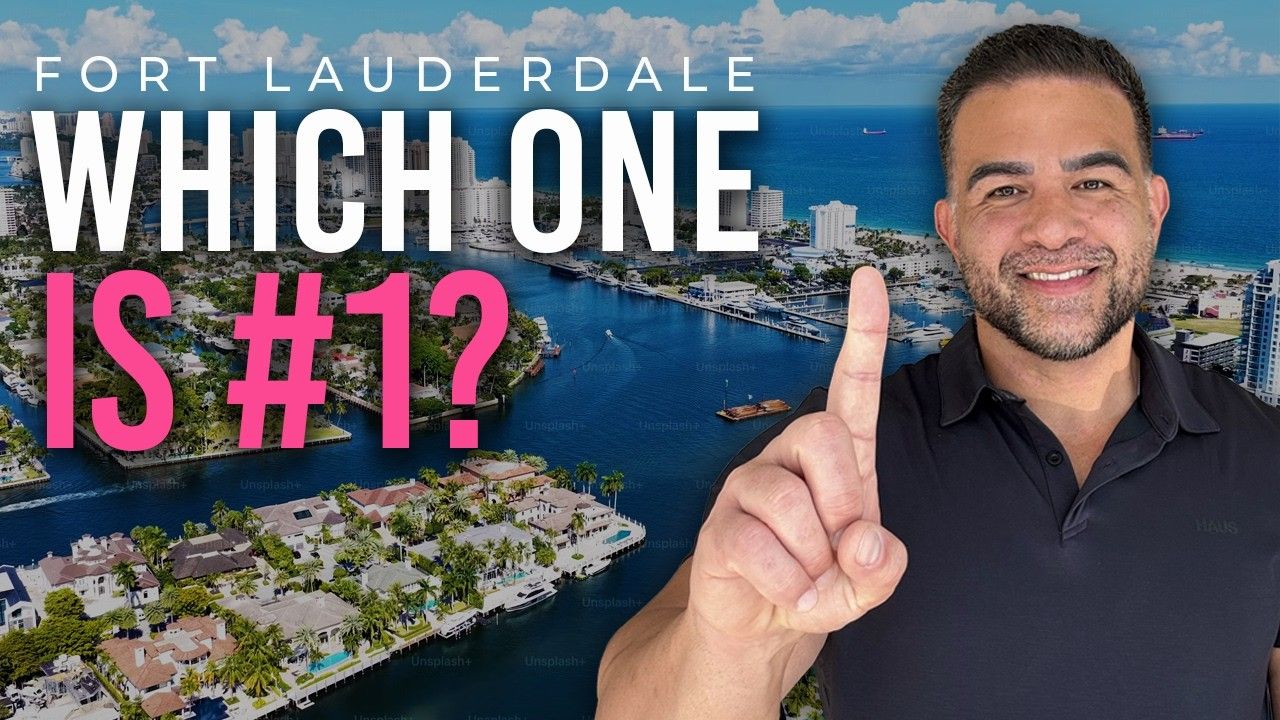
If I Were Moving to Fort Lauderdale, I'd Choose This Neighborhood!
If I were moving to Fort Lauderdale in 2026, I wouldn't start by looking at houses. I wouldn't even open Zillow. Because after more than 20 years of selling real estate in South Florida, I've learned that some of the most expensive mistakes people make have absolutely nothing to do with the house they bought. It's what they bought around it.
You can change the kitchen, you can redo the bathrooms, you can put in a pool, but you can't move your house closer to the ocean, you can't remove a fixed bridge from behind it, you can't change the school zone, and you can't suddenly make your neighborhood walkable because you realize six months later that you're tired of getting in the car every time you want dinner.
So if I were starting over in Fort Lauderdale today, I would do this completely backwards from the way most people search. I'd figure out the life first, then the location, and the house would come last. In this blog, I'm going to show you exactly how I'd narrow down Fort Lauderdale, which neighborhoods would make my final list, what I'd actually look for in the house, and at the end, I'll tell you exactly where I'd start looking if I were making the move myself.
If we haven't met before, I'm Jonathan. We've been selling real estate here in South Florida for more than 20 years, and our team has helped well over 1,000 families buy and sell homes throughout the area. A huge part of what we do is helping people relocate here. And after doing this for as long as I have, you start realizing something. The house is usually the easiest part to change. It's everything around it that you better get right the first time.
Table of Contents
- Waterfront Living: How Much Does the Boat Really Matter?
- Coral Ridge: My Top Pick for Family Life
- Downtown Fort Lauderdale: Walkable Lifestyle and Lock-and-Leave Convenience
- Fort Lauderdale Beach: Oceanfront Condo Living
- Galt Ocean Mile: Affordable Beach Proximity
- Rio Vista: residential Waterfront Neighborhood
- Victoria Park: Established Neighborhood Feel Close to Everything
- Colee Hammock: Character and Mature Architecture
- Sailboat Bend: Historic Homes with Identity
- Getting Into Fort Lauderdale for Less
- The Honest Costs of Ownership
- Which Fort Lauderdale Neighborhood Is Right for You?
- Final Thoughts: Finding Your Fort Lauderdale
Waterfront Living: How Much Does the Boat Really Matter?
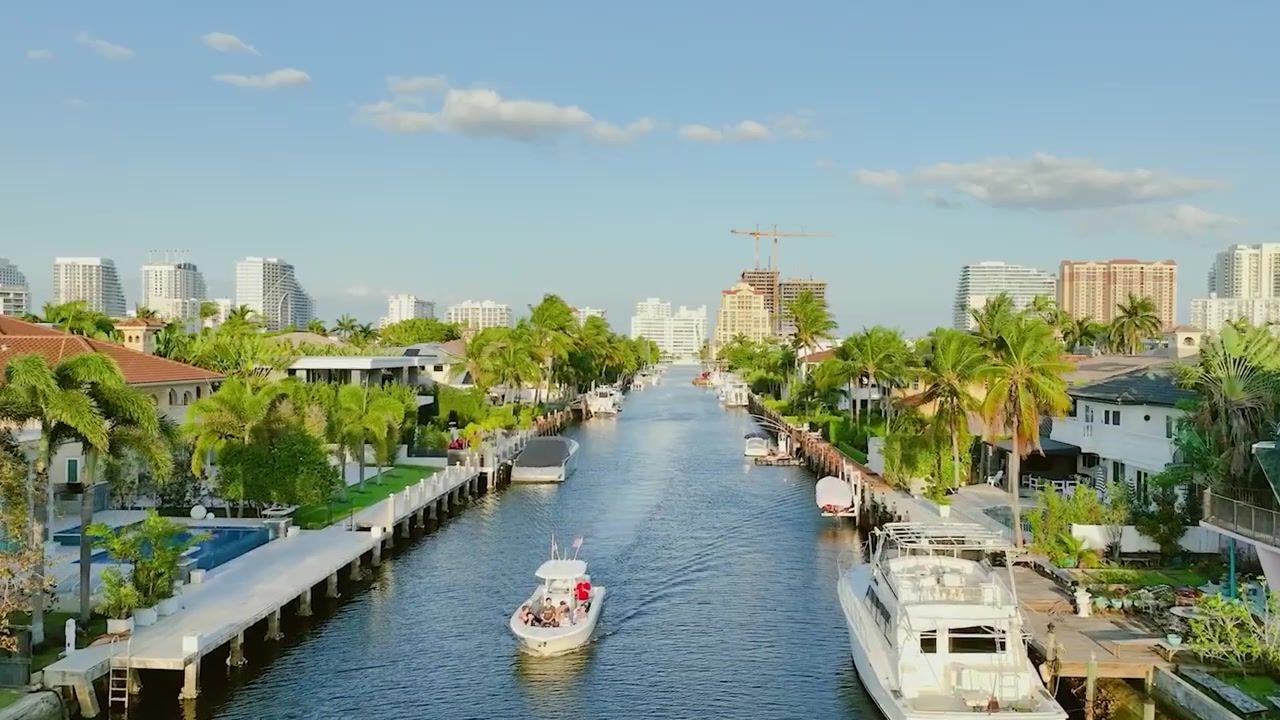
If I were moving to Fort Lauderdale, one of the first questions I'd ask myself is pretty simple. How much am I actually going to use the water? Because there's a big difference between loving the idea of living on the water and actually owning a boat that you're taking out every single weekend.
If the boat were one of the main reasons I was moving here, then I'd probably start looking in places like Harbour Beach , Idlewild , Seven Isles , or the Las Olas Isles . And at that point, I'm not just shopping for a house. I'm shopping for the water behind it. How deep is it? Are there any fixed bridges between me and the ocean? How long does it actually take to get to the inlet? Can the boat I own or eventually want to own actually work there?
Because if I'm serious about boating, those things are probably worth paying for. But here's where I would be very careful with my own money. If I'm going to take the boat out six times a year, I'm probably not spending millions more just so I can say I have deep water and no fixed bridges behind my house. I'd rather put that money into the house, the location, or something else I'm actually going to use every day.
And that's where neighborhoods like Coral Ridge , Lauderdale Harbors , or The Landings might start becoming more interesting to me. Maybe I don't need the trophy address. Maybe what I really want is a dock behind the house, a boat I can use with the family, and a great location without paying for boating capabilities that I don't need.
And this is where you have to be careful, because two waterfront homes can look very similar and have completely different values to a boater. We've had boaters find a beautiful canal home at what looked like a great price, and then we walk out to the dock and realize there's a fixed bridge along the route their boat would never clear. That's the discount. It's not necessarily the house. It's what the water behind the house allows you to do.
So before we ever made an offer on a waterfront property, we'd want to know three things. Can my boat get out? How long does it take? And am I paying for access I'm actually going to use? Because if I'm running a serious boat offshore every weekend, paying more for deep water and no fixed bridges could absolutely be worth it. But if I've got a smaller boat or I'm not even sure I'm going to own one, well, I'm not spending millions more just because somebody tells me it's a better waterfront address. I'd rather put that money into the things I'm going to use every single day.
And that's the first decision I'd make. Figure out how much the water really matters to me before I start looking at houses. But now let's take the boat completely out of the equation, because the first version of Fort Lauderdale has nothing to do with having a dock behind your house. It's about being able to leave the car at home.
Coral Ridge: My Top Pick for Family Life
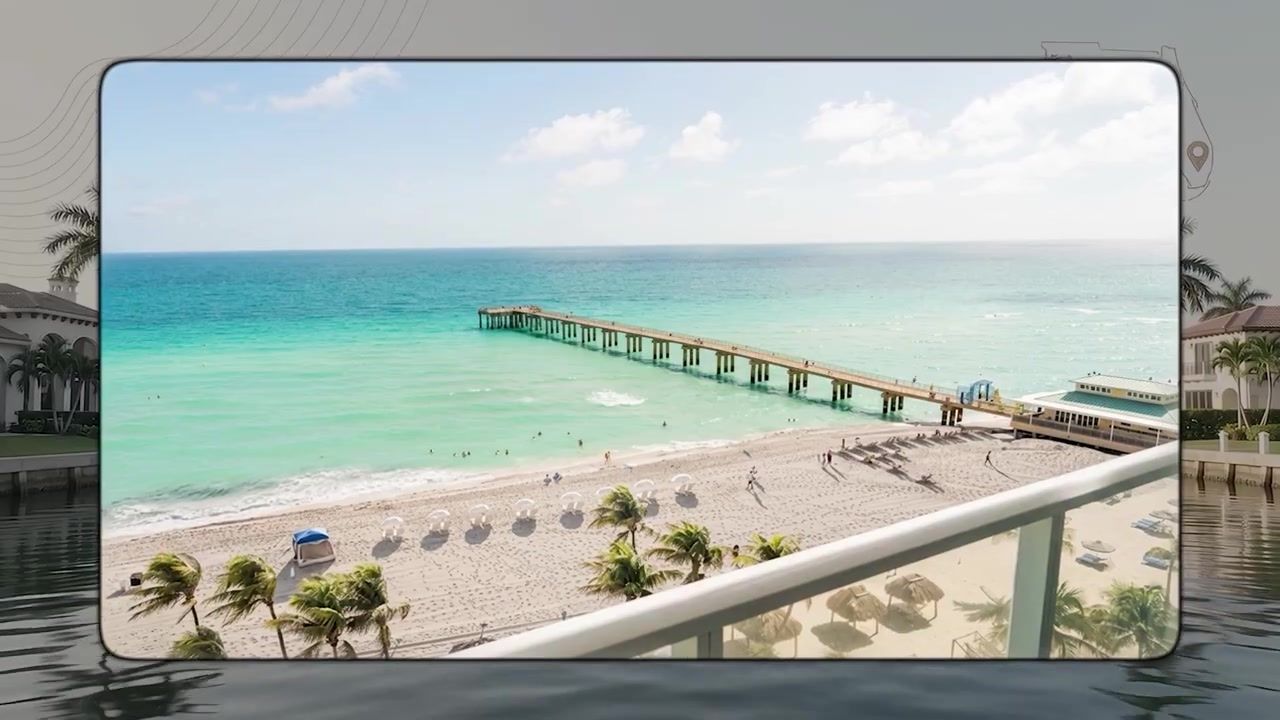
Alright, so if you put me on the spot and you said, Jonathan, knowing everything you know about Fort Lauderdale, where would you start looking? For me, the answer would probably be Coral Ridge . And it's not because I think Coral Ridge is the nicest neighborhood in Fort Lauderdale. It's because at this stage of my life, it gives me the best balance of the things that I actually use.
I've got a family. I want a neighborhood. I want a yard. I want local schools nearby. I want to be close to the beach, restaurants, and everything going on in the city without necessarily having all of that activity right outside my front door. And I'd still want the option of having water behind the house.
I don't own a boat today, but if I did, which I probably will one day, I'm probably not putting a 100-foot yacht behind some massive waterfront estate. I'd want something I could actually take out on a Saturday with the family, so I'm probably not paying millions for boating capabilities that I don't need. Coral Ridge gives me a really good middle ground.
I'm close to the beach. I'm not far from Las Olas or downtown. I've got really local schools nearby. And when I come home, it still feels like I'm coming back to a neighborhood. People are walking their dogs, kids are riding their bikes. You've got mature trees, yards, and streets that just feel established. That's more important to me at this stage of my life than having the most impressive address.
And that's why I would start there. Now, would I tell every person reading this blog to move to Coral Ridge? Absolutely not. Because if there's one thing I want you to take away from this blog, it's that there isn't one best place to live in Fort Lauderdale. There's only the place that makes the most sense for you.
If I wanted to walk downstairs and have dinner on Las Olas, Coral Ridge probably isn't my answer. If I wanted a full-service condo where I could lock the door and disappear for three months, it's definitely not my answer. And if I owned a serious boat and getting to the ocean as quickly as possible was one of the biggest priorities in my life, I'd probably start looking somewhere else.
But that's exactly the point. I wouldn't start my search by asking, what's the best neighborhood in Fort Lauderdale? I would start by asking, what's the best neighborhood for the way that I actually want to live? For me today, I'd start in Coral Ridge. For you, the answer could be completely different. And figuring that out before you start falling in love with houses is probably the most important thing that you can do.
Downtown Fort Lauderdale: Walkable Lifestyle and Lock-and-Leave Convenience
Now, what if you don't care about having a boat? Maybe I don't care about having a dock behind my house. Maybe I don't even want a yard. Maybe what I really want is to stop getting in the car every time I want to do something.
If that were me, I would start downtown, and specifically I'd be looking around Las Olas , the Riverwalk , and Flagler Village , because this is one of the few parts of South Florida where you can build a pretty legitimate walkable lifestyle. You can walk out for coffee in the morning, work from home or from somewhere nearby, you can hit the gym, walk to dinner on Las Olas. And if I need to get down to Miami or up to West Palm, I've got the Brightline station right there. For South Florida, that's a pretty unusual combination.
And if this were the lifestyle that I wanted, I wouldn't make the mistake of moving 15 minutes away just to get more house. We've seen people do that. They come down here, they spend a weekend around Las Olas, they love being able to walk everywhere, and then they start looking at real estate and realize their money buys them more just a little further away. So they move farther out, and six months later they're getting in the car to do all of the things that they moved to Fort Lauderdale to be close to.
That's why I'd protect the lifestyle before I protect the square footage. For me, that probably means a condo. You've got established buildings like Las Olas River House and Las Olas Grand , newer options like 100 Las Olas , and then an entirely new generation of buildings coming into downtown and Flagler Village.
Las Olas: The Heart of Walkable Downtown
Las Olas is the heart of the walkable downtown lifestyle. Walk to dinner. Meet friends. Close to Brightline. But I wouldn't just choose one building because it's the newest or has the nicest amenities. I'd really want to know, can I actually walk to the places I'm going to use? How far am I from Las Olas? How far am I from Brightline?
Riverwalk and Flagler Village: New Development and Walkability
The Riverwalk is part of the walkable downtown core. Flagler Village has a new generation of buildings coming. The Brightline station is nearby. But because downtown is changing so quickly, I'd want to know what's happening around the building. What could be under construction across the street two years from now? Verify walking distance to Las Olas and Brightline. Check what construction is planned nearby. Downtown is changing rapidly.
The Trade-Offs of Downtown Living
Because there is a trade-off here. I'm probably giving up the backyard. I'm giving up some privacy. I'm dealing with elevators, HOA fees, more people around me, and depending on where I buy, potentially years of construction nearby. But if I'm somebody who wants to walk downstairs, grab dinner, meet friends, hop on a train down to Miami, lock the door, just travel whenever I want, I might happily make that trade.
That's the version of Fort Lauderdale I'd be buying. Not the boat, not the backyard, the convenience. And if I like the lock-and-leave part of that lifestyle, but I'd rather wake up looking at the Atlantic than downtown Fort Lauderdale, well then I'd move my search east.
Fort Lauderdale Beach: Oceanfront Condo Living
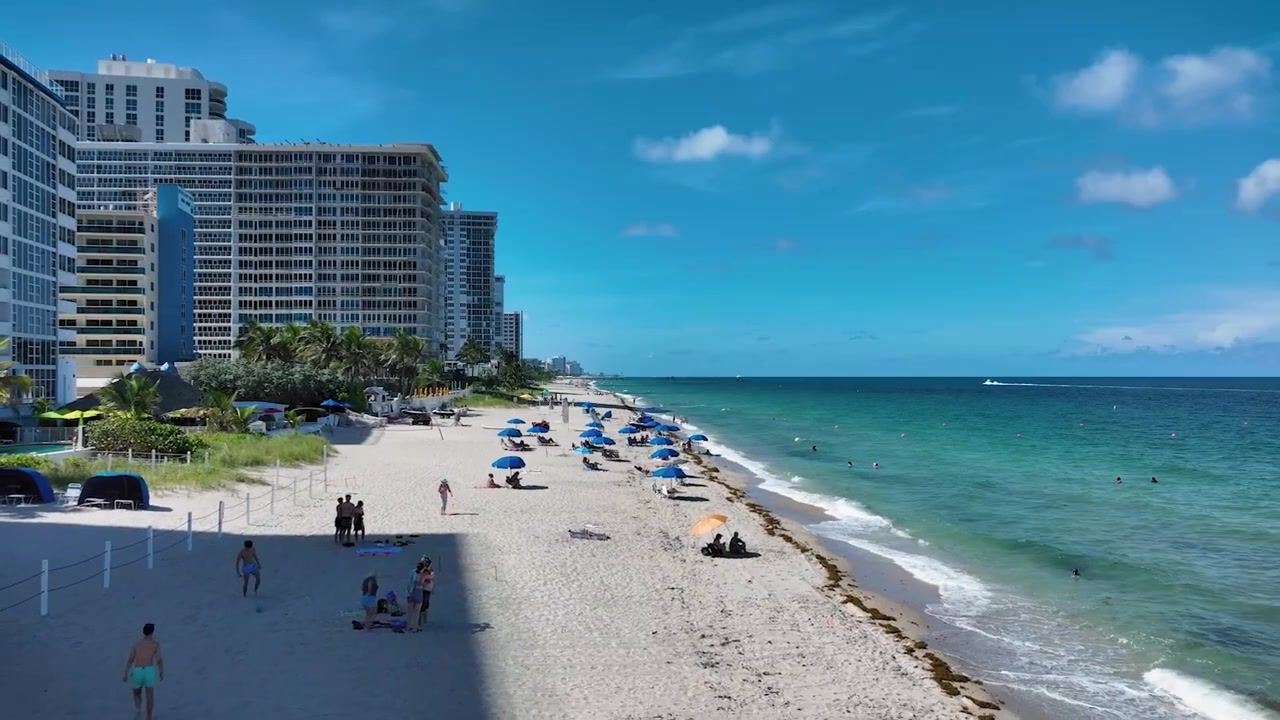
Now maybe I like everything I just described about condo living, but downtown isn't what I'm moving to Florida for. I want the ocean outside my window. Now, if that were me, I would move my search east and start looking at the condos along Fort Lauderdale Beach .
And the biggest reason I'd consider this lifestyle isn't necessarily the view. It's how easy it makes your life. There's no yard to take care of. There's no pool to clean, no landscaping. And if I travel a lot or spend part of the year somewhere else, I can just lock the door, get on a plane, and know the building is still being taken care of while I'm gone.
At the higher end, you've got buildings like Four Seasons , the Auberge , Paramount , and Celine , where you're getting much more of that full-service resort-style experience, but you're gonna pay for it. And depending on the building and the unit, you're easily into the millions, and some of the best oceanfront units can go well beyond that.
What to Look for in an Oceanfront Condo
But if I were spending that kind of money, I'd be looking at more than the view from the balcony. I'd want to know what I'm actually getting for the HOA fee. What services does the building provide? How well is it managed? What are the reserves? Are assessments coming? And if I'm only going to be here part of the year, how easy does this building actually make my life when I'm gone?
Because that's what I'd really be paying for, convenience. I can walk downstairs, be at the beach, have the amenities right there, and when I want to leave, I just lock the door and go.
Is Oceanfront Right for Full-Time Family Living?
Now personally, if I were living here full-time with a family, this probably wouldn't be my first choice. I'd want more space. I'd want a yard. And I'd probably rather have a neighborhood around me than an elevator ride downstairs. But if I were downsizing, traveling frequently, or splitting my time between South Florida and somewhere else, I could absolutely understand the appeal.
And here's where I'd be careful. I wouldn't assume I have to spend several million dollars just because I want to wake up near the ocean. Because just a little further north, there's another version of this lifestyle that's not nearly as flashy, but the value might surprise you.
Galt Ocean Mile: Affordable Beach Proximity
Now, if I wanted to be near the beach but didn't want to spend several million dollars to do it, Galt Ocean Mile is one of the first places that we would look at. And I think this is an area a lot of relocation buyers overlook because many of the buildings are a little older and they don't necessarily have the name or the flash of some of the newer luxury towers further south.
But that's also part of the opportunity. You can find condos here for a fraction of what you'd spend in some of the newer buildings, and you're still right by the beach. You've got restaurants, you have grocery stores, coffee shops, and a pretty established community around you, so you can live a surprisingly convenient lifestyle without needing to go downtown every time you want to do something.
Buy the Building First, Not the Unit
But here's where I would be really careful with my own money. With an older condo, I wouldn't buy the unit first. I'd buy the building first. Because before I cared about the renovated kitchen or how good the ocean view was, I'd want to understand the financial health of the building.
What are the reserves? Are there any assessments? What major work has already been completed? What's coming next? And what is that HOA fee actually going to cost me every month? Because a $600,000 condo with a major assessment coming up could end up being a very different deal than the listing price makes it look.
That's why I wouldn't automatically be scared away by an older building. I'd just want to know exactly what I'm buying into. Find a well-run building that's financially healthy, get the right unit, and Galt can give you something that's getting harder to find in Fort Lauderdale, a relatively attainable way to live right by the ocean without paying for the newest name on the beach.
Now, if I'm making this move with kids and what I really want is a yard, a pool, local schools nearby, and more of a neighborhood around me, I'm moving my search off the beach. And that's where Fort Lauderdale gets really interesting for families.
Rio Vista: residential Waterfront Neighborhood
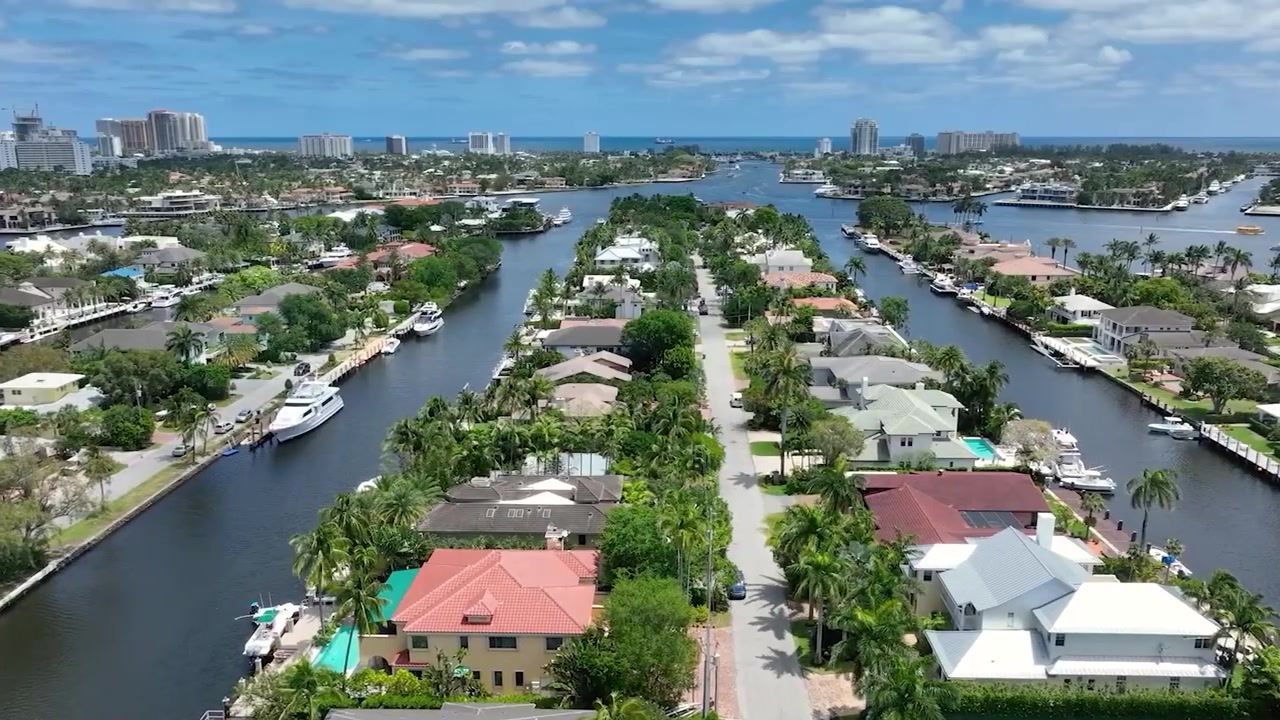
Now, if I'm making this move with a family, my priorities change pretty quickly. I'm not starting with the biggest house I can afford. I'm starting with the things I can't change, the school, the street, and the location. Because I can renovate the kitchen, I can redo the bathrooms, I can put in a pool, but I can't pick the house up and move it three blocks over because I realized I bought on the wrong street.
Rio Vista is one of the neighborhoods that would definitely be on my list. It gives you a residential feel close to the beach and downtown without being on top of all the activity. You've got waterfront options available. You've got yards. You've got a neighborhood feel. And what I like about this part of the city is that you don't necessarily have to move 20 or 30 minutes inland just because you want more of a neighborhood feel.
You could still be close to the beach. You could be close to downtown and restaurants. And in some cases, have the water right behind your house, which is a pretty unique combination.
Buy the Right Street First
But here's how I would personally shop it. I'd rather buy the right house on the right street and update it over time than stretch for the beautiful renovated house in a location that doesn't fit my family. And after helping families do this for many years, we've found that parents will compromise on a lot of things. The kitchen can be changed. The floors can be changed. Maybe the pool will come later. The school and the street are usually where they stop compromising.
Check Elevation and Flooding History
And there's one more thing I'd check before buying in Rio Vista. The specific property's relationship with water. Not just the flood zone. I'd want to know the elevation, whether that particular street has had any flooding issues, how it drains after a major storm, and if I'm waterfront, what condition is the seawall in. Because again, we're back to the same rule. Focus on the things you can't easily change.
And if I were moving here with my family, that's exactly how I would narrow the search. Not by finding the prettiest house on Zillow. I'd find the right street first. Then I would wait for the right house.
Victoria Park: Established Neighborhood Feel Close to Everything
Victoria Park is another neighborhood that would make my list if I were moving here with a family. It gives you that same residential neighborhood feel. You've got yards. You've got streets that feel established. And you're still close to the beach, downtown, and restaurants without having all of that activity right outside your front door.
What I like about Victoria Park is that it feels like a neighborhood when you come home. People are walking their dogs. Kids are riding their bikes. You've got mature trees and sidewalks. And some properties even have water behind the house, which gives you that waterfront option without necessarily paying for the premium boating address.
The Same Rules Apply
But the same rules apply here that I mentioned for Rio Vista. I'd rather buy the right house on the right street and update it over time than stretch for the beautiful renovated house in a location that doesn't fit my family. The school and the street are usually where families stop compromising. The kitchen and finishes can be changed.
And I'd still check the elevation and flooding history of the specific street before buying. Not just the flood zone. I'd want to know whether that particular street has had any flooding issues, how it drains after a major storm, and if I'm waterfront, what condition the seawall is in.
If I were moving here with my family, Victoria Park would absolutely be on my shortlist. It gives you that balance of neighborhood feel, beach proximity, and access to everything Fort Lauderdale has to offer without having to move 20 or 30 minutes inland.
Colee Hammock: Character and Mature Architecture
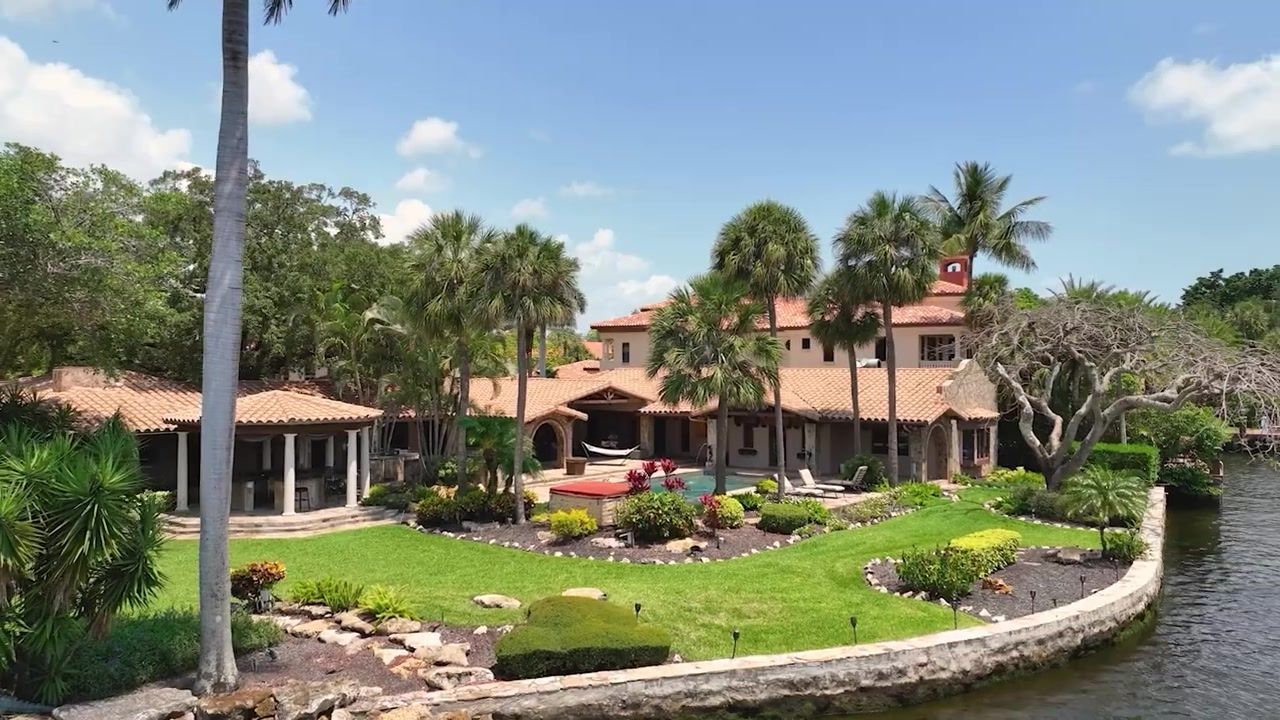
Now maybe I don't want the newer house. Maybe I want something that actually feels like it's been there for a while. If that were me, I would start looking at some of Fort Lauderdale's older neighborhoods, and Colee Hammock is one of them.
These are the parts of the city where you're going to find mature trees, older architecture, sidewalks, and homes that don't all look like they came from the same set of plans. And personally, I love that. There's something about buying a house with a little history behind it that you just can't recreate with new construction.
The Trade-Offs of Character
But here's the trade-off. If I want the character, I have to be willing to accept some of the imperfections that come with it. That beautiful older house might also have an older roof, older plumbing, older electrical. Maybe the windows haven't been replaced yet. And in some of the historic areas, there can also be restrictions or an additional review process around what you can change on the exterior.
So if I were buying here, I'd probably spend more time looking at what I can't see than what I can. The inspection matters. The roof matters. The plumbing and electrical matters. The insurance quote matters. And depending on the property, I'd still want to understand the elevation and flooding history of that particular street.
Don't Walk Away Just Because It Isn't Perfect
Because I wouldn't want to buy the charm and then discover that bringing the house up to where I want it is going to cost me far more than I expected. But I also wouldn't walk away from a great older home just because it isn't perfect. That's part of what you're buying. You're trading some of that predictability of newer construction for architecture, mature landscaping, and a neighborhood that already has an identity. And for the right person, that's absolutely worth it.
Sailboat Bend: Historic Homes with Identity
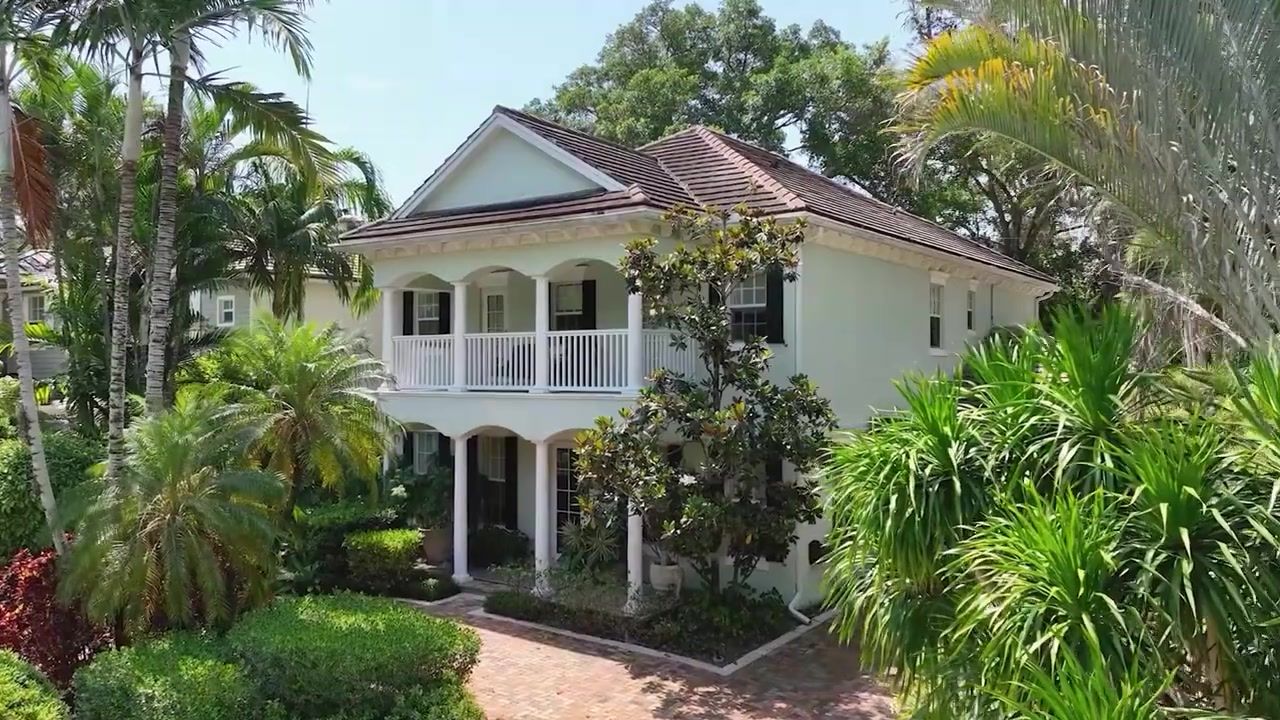
Sailboat Bend is another one of Fort Lauderdale's older neighborhoods where you're going to find that same character and history. You've got mature trees. You've got varied architecture. You've got homes that don't all look the same. And there's something about these neighborhoods that just feels different from the newer developments.
But the same trade-offs apply here that I mentioned for Colee Hammock. If I want the character, I have to be willing to accept some of the imperfections that come with it. That beautiful older house might need updates to the roof, plumbing, electrical, or windows. And in some of the historic areas, there may be restrictions on what you can change on the exterior.
Spend Time on What You Can't See
So if I were buying in Sailboat Bend, I'd spend more time on what you can't see. The inspection. The systems. The insurance. I'd check the elevation and street flooding history. Because I wouldn't want to buy the charm and then discover that bringing the house up to where I want it is going to cost me far more than I expected.
But I also wouldn't walk away from a great older home just because it isn't perfect. That's part of what you're buying. You're trading some of that predictability of newer construction for architecture, mature landscaping, and a neighborhood that already has an identity. And for the right person, that's absolutely worth it.
But maybe you've been reading all of this thinking, Jonathan, this all sounds great, but where do I look if I don't have $1 or $2 million to spend? That's where I'd go next. Because there are still parts of Fort Lauderdale where you can get into the city for considerably less.
Getting Into Fort Lauderdale for Less
Now let's say I'm trying to get into Fort Lauderdale, but I'm not working with a million-dollar budget. I wouldn't automatically count the city out. Because one of the things that people get wrong about Fort Lauderdale is assuming that everything here costs what the homes around Las Olas, Rio Vista, or the waterfront cost. But it doesn't.
If I were trying to stretch my budget, I'd start looking in places like Imperial Point , Middle River Terrace , Poinsettia Heights , Crescent Park , and Pointe Sienna Park . And depending on the neighborhood, the house, and how much work I'm willing to do, there could be a pretty significant difference in what my money buys compared with some of the areas that we've already talked about.
Be Selective, Not Less Careful
But this is also where I'd become more selective, not less. Because when I'm shopping at a lower price point, I don't want to convince myself that something is a good deal just because it's cheaper. I'd want to know why it's cheaper. Maybe the house needs work. Maybe I'm farther from the beach or downtown. Maybe one street feels completely different from the next. Maybe the insurance is much higher than I expected.
Or maybe I've actually found a house in a location that works for me and I don't care that it doesn't have the name recognition of some of the neighborhoods everybody talks about. That's the opportunity. I'm not trying to predict which neighborhood is going to be the next big thing. I'm trying to find the best combination of house, location, and monthly cost that works for my budget today.
Own the Right House for Your Budget
And that's an important distinction. Because I'd rather own the right $600,000 house in a neighborhood that fits my life than stretch myself into a million-dollar house just so I can say I live in a certain zip code or neighborhood.
So if you've been reading this thinking Fort Lauderdale might be completely out of reach, don't make that decision based on the neighborhoods you've heard the most about. There may be more options here than you realize. You just have to know where to look.
And real quick, if you're finding this helpful, do me a favor and subscribe to the channel. Every week we're putting out blogs just like this covering the cities, neighborhoods, and communities all across South Florida. So if you've been thinking about making a move, make sure you're subscribed.
All right, now before I tell you where I'd personally start looking, there's one more part of this decision that I wouldn't ignore. Because finding the right house is one thing. Understanding what it's actually going to cost me to own is another.
The Honest Costs of Ownership
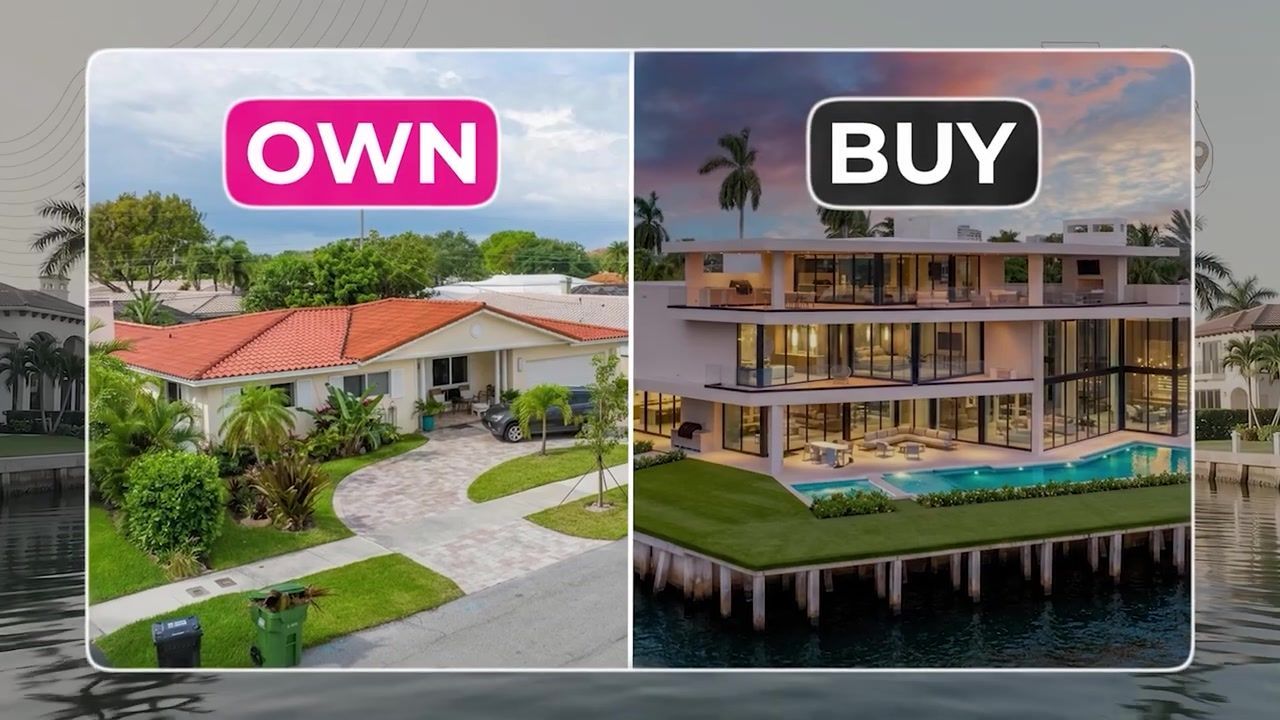
Before I tell you where I'd personally start looking, there's one last thing I'd figure out. What can I actually afford to own here? And that's a different question than what can I afford to buy.
Because if I were moving to Fort Lauderdale, I wouldn't set my budget based on the purchase price of the house alone. I'd want to know what that house is actually going to cost me every single month. Property taxes. Homeowner's insurance. Flood insurance if I need it. HOA or condo fees. And then whatever comes with the property itself.
The Carrying Costs Matter
If I'm buying an older house, what condition is the roof in? Are the windows impact-rated? What's the plumbing and electrical look like? If I'm buying a condo, what are the HOA or COA fees? How healthy are the reserves? Are there assessments coming? And if I'm buying waterfront, now I'm looking at the seawall, the dock, the boat lift, and everything else that comes with maintaining that lifestyle.
That's the number I'd use to decide what I can afford. Because a $900,000 house with lower carrying costs could make a lot more sense for me than an $800,000 house that's expensive to insure and needs $100,000 worth of work over the next few years.
Florida Has No State Income Tax, But…
And yes, Florida has no state income tax, which can be a meaningful advantage depending on where you're moving from. But I wouldn't let that convince me that everything else is automatically cheaper. I'd run the numbers on the actual property, and I'd do it before I fell in love with the house.
Get Insurance Quotes Early
That's especially true with insurance. We've had buyers find a home they love, they get the insurance quote, and suddenly the monthly number looked just completely different. So if I were buying here, I'd get those quotes early.
Research Flood Risk by Property, Not by City
Same thing with flooding. I wouldn't look at a headline about Fort Lauderdale and decide the entire city floods. And I also wouldn't assume I'm fine because the house I'm looking at hasn't had a problem. I'd research the actual property and the actual street. What's the flood zone? What's the elevation? Has the street had issues before? How does it drain after heavy rain?
Because in Fort Lauderdale, those details can change pretty quickly from one area to another. And that's really the point of this entire section. I wouldn't buy based on what the house cost. I'd buy based on what the house cost me to own. Once I know that number, I'd know what my real budget was. And now I could finally decide where I would start.
Which Fort Lauderdale Neighborhood Is Right for You?
So after everything we've talked about, let me break down the trade-offs between these different versions of Fort Lauderdale, because there isn't one best neighborhood. There's only the one that fits the way you actually want to live.
Choose Coral Ridge if you want a residential neighborhood with local schools, mature trees, and the option of waterfront access for casual boating without paying for a trophy address. You're close to the beach and downtown, but when you come home, it still feels like a neighborhood. People walk their dogs. Kids ride bikes. You've got yards and established streets.
Choose downtown Fort Lauderdale if you want a walkable lifestyle and lock-and-leave convenience. Walk to coffee, dinner, the gym. Brightline access to Miami and West Palm. You're giving up the backyard and dealing with HOA fees, elevators, and potentially years of construction nearby, but if you want to stop getting in the car every time you want to do something, this is one of the few parts of South Florida where you can actually do that.
Choose Fort Lauderdale Beach if you want the ocean outside your window and a full-service lifestyle. No yard to maintain. No pool to clean. Lock the door and travel whenever you want. You're paying for convenience, and depending on the building, you're easily into the millions. Not my first choice for full-time family living, but if you're downsizing, traveling frequently, or splitting your time, this lifestyle makes a lot of sense.
Choose Galt Ocean Mile if you want to be near the beach without spending several million dollars. Older buildings, but good value. Right by the beach with restaurants, grocery stores, and coffee shops nearby. Buy the building first, not the unit. Check reserves, assessments, and HOA fees. A well-run, financially healthy building is key.
Choose Rio Vista or Victoria Park if you want a residential neighborhood close to the beach and downtown without being on top of all the activity. You've got yards, local schools, and waterfront options available. Buy the right street first, then wait for the right house. The school and the street are where families stop compromising. Check elevation and flooding history of the specific street.
Choose Colee Hammock or Sailboat Bend if you want character, history, and architecture that doesn't all look the same. Mature trees, varied homes, and a neighborhood with identity. You're trading the predictability of new construction for charm, but spend time on what you can't see. Inspection, roof, plumbing, electrical, and insurance all matter. Check elevation and street flooding history. Don't walk away just because it isn't perfect.
Choose Imperial Point, Middle River Terrace, Poinsettia Heights, Crescent Park, or Pointe Sienna Park if you're trying to get into Fort Lauderdale on a tighter budget. You're not paying for the name recognition of some of the other neighborhoods, but you may find a house in a location that works for you. Be selective. Know why it's cheaper. Check insurance costs early.
The harder question is whether you're buying the version of Fort Lauderdale that feels great for five days or the one that's going to feel right five years from now. That's what this entire blog comes down to. The neighborhood was never the first decision. The life was.
Final Thoughts: Finding Your Fort Lauderdale
So after everything we've talked about, here's probably the simplest way I can tell you to approach Fort Lauderdale. Forget about the listings for a second and don't picture yourself here on vacation. Just picture a regular Tuesday.
You wake up in the morning. Where are you? What do you actually do that day? Are you walking somewhere for coffee? Are you getting the kids ready for school? Are you working from home and taking the boat out for a couple of hours when you're done? Are you walking downstairs to dinner? Or are you perfectly happy getting in the car because you'd rather come home to a bigger house, a yard, and a quieter street?
That's the life you should be shopping for. Because I think one of the easiest mistakes to make when you're relocating to South Florida is buying the version of Florida that feels great for five days, instead of the one that's going to feel right five years from now.
And that's really what this entire blog comes down to. The neighborhood was never the first decision. The life was. Figure out what you want your normal days to look like, and Fort Lauderdale becomes a lot easier to narrow down. For me, at this stage of my life, I would start in Coral Ridge. For you, it could be somewhere completely different, and that's exactly how it should be.
Because there isn't one best neighborhood in Fort Lauderdale. There's only the one that fits the life that you actually want to live. Figure that out first, and the neighborhood almost picks itself.
And one last thing. If Fort Lauderdale is even on your shortlist, make sure you reach out before you book the flight, not after. One good conversation can save you days of looking in the wrong places and help you focus on the neighborhoods that actually fit the way that you want to live. That's what we do every single day. We help people relocating to South Florida figure out where they fit first, and then we find the right home.
So if you're thinking about making the move, go ahead and give us a call, send us a text, or send us an email. We would love to help.
FAQ
What's the best neighborhood in Fort Lauderdale for families?
There isn't one best neighborhood. It depends on what you're looking for. Coral Ridge, Rio Vista, and Victoria Park all give you residential neighborhoods with local schools, yards, and a neighborhood feel close to the beach and downtown. Buy the right street first, then wait for the right house. The school and the street are where families stop compromising.
How much does it cost to live on the water in Fort Lauderdale?
It depends on what kind of boating access you need. If you're serious about boating and need deep water with no fixed bridges, you're looking at places like Harbour Beach, Idlewild, Seven Isles, or Las Olas Isles, and you're paying a premium. If you want a dock for casual boating, neighborhoods like Coral Ridge, Lauderdale Harbors, or The Landings give you waterfront access without paying for trophy boating capabilities you don't need.
Is Fort Lauderdale walkable?
Most of Fort Lauderdale is not walkable, but downtown Fort Lauderdale around Las Olas, Riverwalk, and Flagler Village is one of the few parts of South Florida where you can build a legitimate walkable lifestyle. Walk to coffee, dinner, the gym, and the Brightline station. Protect the lifestyle before you protect the square footage. Don't move 15 minutes away just to get more house if walkability is what you're moving here for.
What should I know before buying a condo in Fort Lauderdale?
Buy the building first, not the unit. Check the reserves, assessments, completed and upcoming major work, HOA fees, and management quality. A $600,000 condo with a major assessment coming could be a very different deal than the listing price suggests. This is especially important in older buildings like those in Galt Ocean Mile. A well-run, financially healthy building is key.
What are the carrying costs of owning a home in Fort Lauderdale?
Property taxes, homeowner's insurance, flood insurance if you need it, HOA or condo fees, and maintenance. If you're buying an older house, check the condition of the roof, windows, plumbing, and electrical. If you're buying waterfront, add the seawall, dock, and boat lift. Florida has no state income tax, but don't assume everything else is automatically cheaper. Get insurance quotes early, before you fall in love with the house.
How do I know if a Fort Lauderdale property is at risk for flooding?
Don't look at a headline about Fort Lauderdale and decide the entire city floods. Research the actual property and the actual street. What's the flood zone? What's the elevation? Has the street had issues before? How does it drain after heavy rain? If you're buying waterfront, what condition is the seawall in? In Fort Lauderdale, those details can change pretty quickly from one area to another.

Jonathan Alexander creates educational YouTube content to guide potential buyers through the process of relocating to South Florida, offering insights on the best places to live and what to expect. As a seasoned Realtor®, he combines his expertise with a passion for helping clients make informed real estate decisions.
New Content on youtube every week